News
General
53 views
Big Tech’s $8 trillion AI boom is raising prices
Jun 30, 2026
📍 Philadelphia,PA,USA
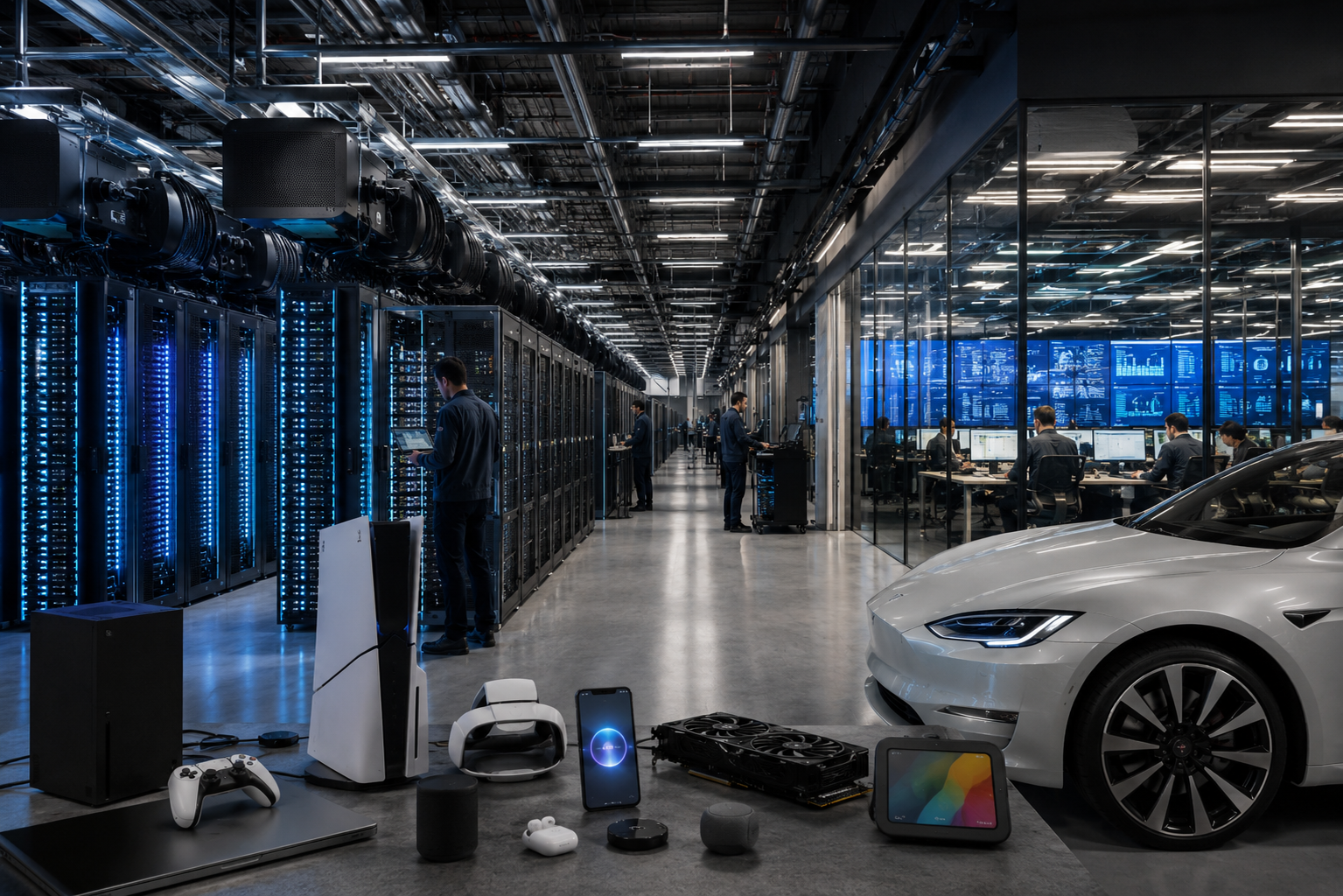
Artificial intelligence has become one of the biggest investment priorities for the world's leading technology companies, and its influence is now extending well beyond the digital economy. Massive spending on AI infrastructure is beginning to shape the prices consumers pay for a wide range of everyday products and services.
Global technology giants are investing hundreds of billions of dollars to strengthen their AI capabilities. This includes building advanced data centers, purchasing specialized processors, expanding cloud infrastructure, and securing reliable energy sources to support increasingly powerful AI models.
The growing demand for AI hardware is putting unprecedented pressure on global supply chains. Manufacturers are struggling to keep pace with orders for advanced semiconductors, memory chips, networking equipment, and cooling technologies required to operate modern AI systems.
As AI companies purchase large volumes of high-performance chips, suppliers are giving priority to these lucrative contracts. This shift is reducing the availability of components used in consumer electronics, leading to tighter inventories across multiple industries.
The gaming industry is among the first sectors experiencing the impact. Higher prices for graphics processors and memory chips are increasing production costs for gaming consoles, potentially resulting in more expensive hardware for consumers.
Smartphone manufacturers are also facing rising costs as competition intensifies for premium processors and advanced memory components. These higher expenses may eventually be reflected in the retail prices of future devices.
Laptop and personal computer manufacturers are encountering similar challenges. Increased demand for AI-related hardware is making critical components more expensive, squeezing profit margins and influencing product pricing.
Television and smart home device makers are also affected because many of their products depend on the same semiconductor supply chain that now serves AI infrastructure.
Automobile manufacturers continue to compete for advanced electronic components required in modern vehicles. Growing AI demand has added further pressure to semiconductor availability, complicating production planning.
Home appliance companies are seeing increased costs for electronic control systems and smart features, demonstrating how AI investment is influencing products beyond the technology sector.
Electricity demand is rising rapidly as large-scale AI data centers require continuous power to operate thousands of high-performance processors around the clock.
Technology companies are investing in renewable energy, natural gas facilities, and nuclear projects to secure stable electricity supplies for future AI expansion.
The rapid construction of AI facilities has also increased demand for skilled engineers, electricians, construction workers, and specialized equipment needed to build large data centers.
Fiber-optic networks have become another critical resource, as AI data centers require extremely fast connections to move enormous amounts of information efficiently.
Cooling systems have emerged as a major infrastructure challenge since AI processors generate significant heat and require advanced thermal management solutions.
Unlike earlier software-driven technology revolutions, today's AI boom depends heavily on physical infrastructure that takes years to design, finance, and construct.
Industry experts believe supply chain pressures may continue until global manufacturing capacity expands enough to satisfy both AI developers and traditional electronics producers.
Despite short-term cost increases, technology companies remain confident that AI will unlock new business opportunities, improve productivity, and generate substantial long-term returns.
Many businesses outside the technology sector are preparing to integrate AI into their operations, creating even greater demand for computing power and supporting infrastructure.
Governments are also paying closer attention to AI infrastructure, recognizing its growing importance for economic competitiveness, national security, and digital innovation.
Consumers may gradually notice higher prices across multiple product categories as manufacturers adjust to increased production costs and limited component availability.
The expansion of AI infrastructure is encouraging new investments in semiconductor manufacturing, energy production, and advanced industrial technologies worldwide.
Companies capable of securing reliable chip supplies and affordable electricity are expected to gain a competitive advantage as the AI race accelerates.
Although the current investment cycle is expensive, many analysts believe it represents the foundation of the next major technological transformation, comparable to the rise of the internet.
The influence of artificial intelligence is no longer limited to software development. Its growing infrastructure requirements are reshaping global manufacturing, energy markets, supply chains, and the cost of everyday consumer products, making AI one of the most significant economic forces of the modern era.
**One-line summary:** Big Tech's massive AI investments are driving higher demand for chips, energy, and infrastructure, leading to rising costs for consumer products and reshaping global industries.
Global technology giants are investing hundreds of billions of dollars to strengthen their AI capabilities. This includes building advanced data centers, purchasing specialized processors, expanding cloud infrastructure, and securing reliable energy sources to support increasingly powerful AI models.
The growing demand for AI hardware is putting unprecedented pressure on global supply chains. Manufacturers are struggling to keep pace with orders for advanced semiconductors, memory chips, networking equipment, and cooling technologies required to operate modern AI systems.
As AI companies purchase large volumes of high-performance chips, suppliers are giving priority to these lucrative contracts. This shift is reducing the availability of components used in consumer electronics, leading to tighter inventories across multiple industries.
The gaming industry is among the first sectors experiencing the impact. Higher prices for graphics processors and memory chips are increasing production costs for gaming consoles, potentially resulting in more expensive hardware for consumers.
Smartphone manufacturers are also facing rising costs as competition intensifies for premium processors and advanced memory components. These higher expenses may eventually be reflected in the retail prices of future devices.
Laptop and personal computer manufacturers are encountering similar challenges. Increased demand for AI-related hardware is making critical components more expensive, squeezing profit margins and influencing product pricing.
Television and smart home device makers are also affected because many of their products depend on the same semiconductor supply chain that now serves AI infrastructure.
Automobile manufacturers continue to compete for advanced electronic components required in modern vehicles. Growing AI demand has added further pressure to semiconductor availability, complicating production planning.
Home appliance companies are seeing increased costs for electronic control systems and smart features, demonstrating how AI investment is influencing products beyond the technology sector.
Electricity demand is rising rapidly as large-scale AI data centers require continuous power to operate thousands of high-performance processors around the clock.
Technology companies are investing in renewable energy, natural gas facilities, and nuclear projects to secure stable electricity supplies for future AI expansion.
The rapid construction of AI facilities has also increased demand for skilled engineers, electricians, construction workers, and specialized equipment needed to build large data centers.
Fiber-optic networks have become another critical resource, as AI data centers require extremely fast connections to move enormous amounts of information efficiently.
Cooling systems have emerged as a major infrastructure challenge since AI processors generate significant heat and require advanced thermal management solutions.
Unlike earlier software-driven technology revolutions, today's AI boom depends heavily on physical infrastructure that takes years to design, finance, and construct.
Industry experts believe supply chain pressures may continue until global manufacturing capacity expands enough to satisfy both AI developers and traditional electronics producers.
Despite short-term cost increases, technology companies remain confident that AI will unlock new business opportunities, improve productivity, and generate substantial long-term returns.
Many businesses outside the technology sector are preparing to integrate AI into their operations, creating even greater demand for computing power and supporting infrastructure.
Governments are also paying closer attention to AI infrastructure, recognizing its growing importance for economic competitiveness, national security, and digital innovation.
Consumers may gradually notice higher prices across multiple product categories as manufacturers adjust to increased production costs and limited component availability.
The expansion of AI infrastructure is encouraging new investments in semiconductor manufacturing, energy production, and advanced industrial technologies worldwide.
Companies capable of securing reliable chip supplies and affordable electricity are expected to gain a competitive advantage as the AI race accelerates.
Although the current investment cycle is expensive, many analysts believe it represents the foundation of the next major technological transformation, comparable to the rise of the internet.
The influence of artificial intelligence is no longer limited to software development. Its growing infrastructure requirements are reshaping global manufacturing, energy markets, supply chains, and the cost of everyday consumer products, making AI one of the most significant economic forces of the modern era.
**One-line summary:** Big Tech's massive AI investments are driving higher demand for chips, energy, and infrastructure, leading to rising costs for consumer products and reshaping global industries.
Tags
news
Comments (0)
Login to post comments
No comments yet
Be the first to share your thoughts about this post.