News
General
6 views
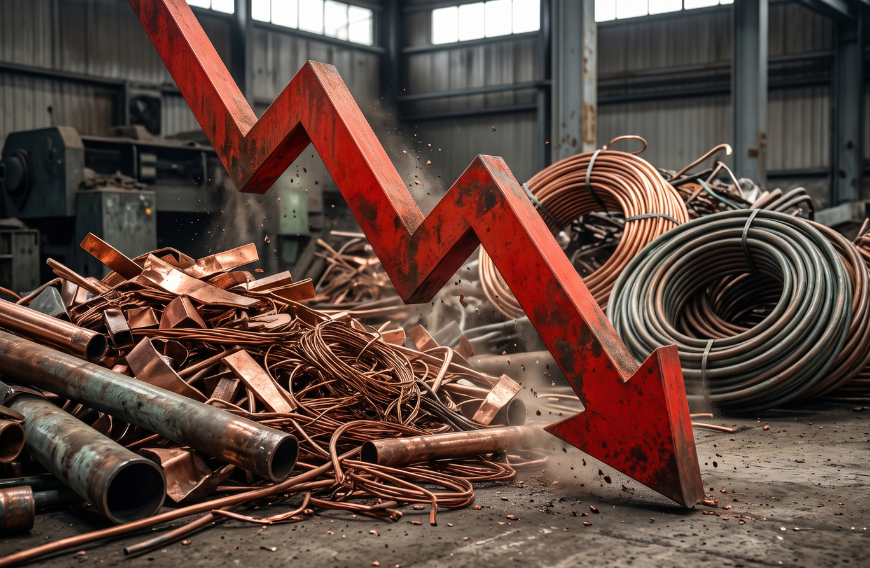
Copper prices crash as AI boom fears trigger $10.8 billion investor selloff
Nov 24, 2026
📍 Phliadelphia,PA, USA
# Copper Prices Rebound After Sharp Decline as AI Investment Concerns Weigh on Markets
Copper prices staged a recovery on Monday after briefly slipping below $12,000 per metric ton for the first time since March 2024. The decline came amid increasing uncertainty over whether enormous investments in artificial intelligence infrastructure will deliver the financial returns investors expect, alongside a broader selloff in technology stocks.
Three-month copper futures on the London Metal Exchange (LME) fell to $11,948 per metric ton during early trading, marking their lowest level since March 2024. Prices subsequently recovered to $12,240.50. The rebound followed a weekly decline of more than 9%, the metal’s sharpest drop in over 19 months.
Copper had enjoyed a significant rally earlier this year, supported largely by expectations that expanding AI data centers would create substantial demand for the metal. However, investor sentiment has shifted as questions emerge about the profitability of large-scale AI infrastructure projects and whether the spending involved can generate sustainable returns.
The metal plays an important role in electricity networks, power generation, construction and data center development. Its importance to modern infrastructure had made copper a major beneficiary of expectations for an extended AI-driven demand boom. Nevertheless, prices have fallen nearly 14% this month as investors reconsider the strength of future demand.
Currency and monetary policy developments have added further pressure. The U.S. dollar has strengthened, while expectations of additional Federal Reserve interest rate increases have created uncertainty across commodity markets. Because copper is priced internationally in dollars, a stronger U.S. currency makes it more expensive for buyers using other currencies, potentially limiting demand.
Despite the weakness in futures markets, conditions in the physical copper market suggest that supplies remain tight. China, one of the world's largest consumers of the metal, continues to face supply shortages. Inventories on the Shanghai Futures Exchange increased by 3,204 tons over the past week to reach 30,846 tons. Even after that increase, the stockpile represented less than one day of Chinese consumption, highlighting the limited availability of supplies.
This difference between financial market sentiment and physical demand has created an unusual situation. Speculative investors are reducing their exposure because of concerns about the economic outlook, while industrial consumers continue competing for available copper. The result is a market where futures prices are weakening even as physical supply conditions remain constrained.
Institutional investors have also contributed to the downward pressure. Hedge funds, commodity trading advisers and other large investors sold approximately $1.3 billion in COMEX copper futures during the week ending November 10. It marked their seventh consecutive week of net selling. Since September 22, their combined sales have reached $10.8 billion.
The prolonged selling has significantly reduced speculative bullish positions. Net long positions held by these investors have fallen to approximately $5.2 billion, the lowest level since October 2025. This shift indicates a substantial change in investor expectations following the earlier copper rally.
The downturn has extended beyond copper to other industrial metals. Aluminum prices remained under pressure despite indications of immediate supply shortages, while lead declined to its lowest level in more than four years. Zinc, nickel and tin also recorded losses during the broader metals selloff.
Copper's recent recovery therefore comes against a complicated market backdrop. Persistent physical supply constraints continue to support the industrial case for the metal, but concerns about AI investment returns, a stronger dollar, possible Federal Reserve tightening and sustained speculative selling are weighing on financial market prices.
Tags
news
Comments (0)
Login to post comments
No comments yet
Be the first to share your thoughts about this post.