News
General
8 views
AI data center boom faces voter backlash across 10 states
Oct 30, 2026
📍 Phliadelphia,PA, USA
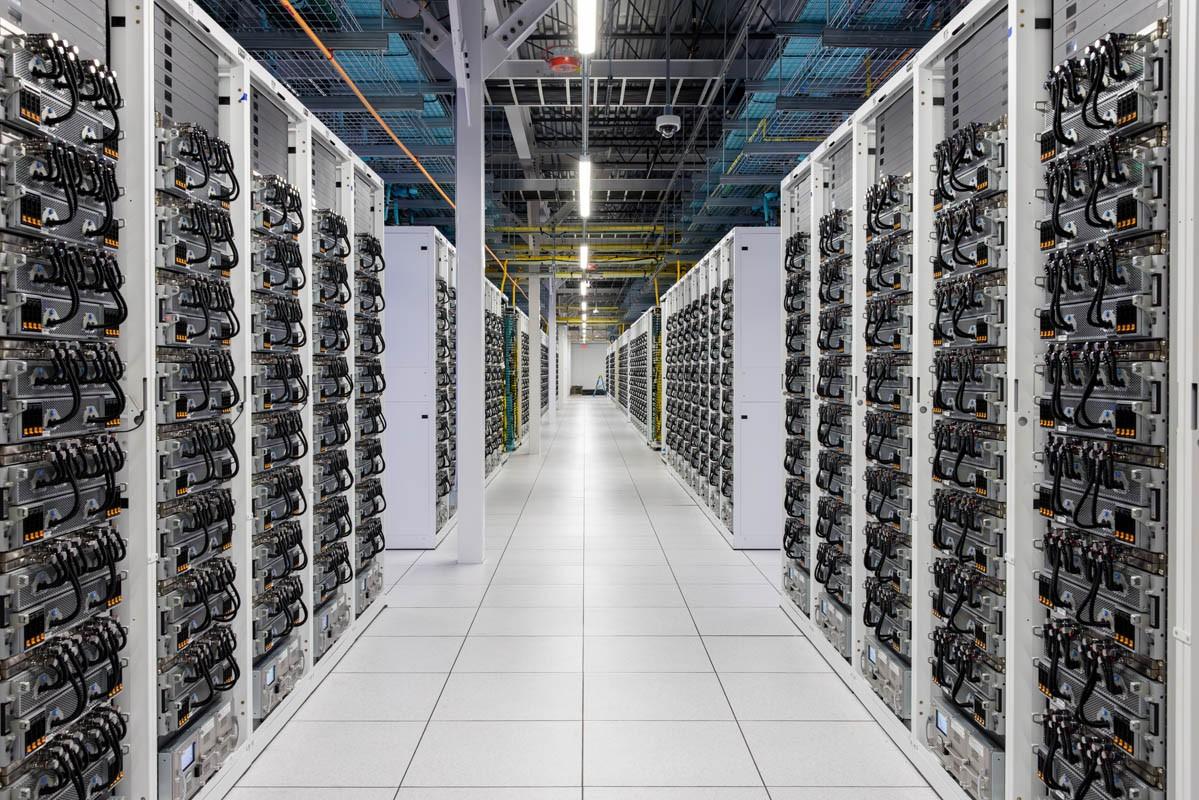
# U.S. Communities Take Data Center Opposition to Ballot Box as AI Expansion Faces Scrutiny
Voters across 10 U.S. states will consider measures to restrict the development of artificial intelligence data centers in their communities during the November 2026 elections. Growing concerns about electricity demand, water consumption and environmental effects are driving local opposition to the rapid expansion of the industry.
According to a Reuters report published October 29, residents in 38 local jurisdictions will vote on at least 41 proposals that could delay, prohibit or introduce additional requirements for data center projects. The initiatives reflect increasing efforts by communities to influence how and where facilities supporting AI applications are built.
Ohio has become a major center of the debate. According to the nonpartisan research organization Ballotpedia, as cited by Reuters, voters in more than a dozen Ohio jurisdictions will consider 21 proposals related to data center development.
## Electricity and Water Consumption Fuel Opposition
Community groups say the growing demand that data centers place on local resources has brought residents from different political backgrounds together in opposition.
Jessica Baker, a local organizer with the advocacy group Conserve Ohio, told Reuters that concerns include electricity consumption, water use and possible health effects associated with facilities located near residential neighborhoods.
Baker said residents have raised questions even about projects proposing to generate their own electricity through gas turbines or nuclear reactors.
Beyond resource consumption, some residents are concerned about how development decisions are made. Local campaigns have called for greater public involvement in decisions involving zoning, construction permits and operating conditions.
As developers seek approval for increasingly large facilities, community organizations are pushing for stronger local oversight and more opportunities for residents to influence projects planned near their homes.
## Proposed Ohio Restrictions Could Affect Amazon Project
The ballot initiatives could have consequences for major technology companies investing heavily in AI infrastructure.
In Sunbury, near Columbus, Ohio, a proposed measure would prohibit data centers with electricity consumption exceeding 25 megawatts. If approved, the restriction could affect Amazon's planned $2 billion data center development in the area.
Amazon public policy lead Shannon Kellogg appeared on local television in October to respond to questions about the project ahead of the vote.
An Amazon spokesperson declined to comment on whether the ballot measures would alter the company's broader expansion strategy. The company said it was engaging with residents and local officials to develop facilities that provide employment opportunities, generate tax revenue and support technology services.
Amazon also said its commitment to communities where it operates would continue regardless of the outcome of individual local votes.
## Data Center Construction Continues Despite Growing Resistance
Despite the increasing number of local challenges, the United States continues to experience substantial growth in data center construction.
John McWilliams, head of data center insights at real estate services firm Cushman & Wakefield, said U.S. data center capacity under construction increased 48% between December 2025 and June 2026, measured in gigawatts.
Industry observers say local restrictions may change where developers choose to build rather than bring the overall expansion to a halt.
Baron Fung, who leads IT infrastructure research at Dell'Oro Group, told Reuters that developers could move projects to alternative locations if individual communities impose restrictions or reject proposed facilities.
The industry already faces challenges such as lengthy waits for electricity grid connections and rising construction expenses. Additional local requirements could make site selection more complicated and influence investment decisions.
## Local Votes Could Shape Future AI Infrastructure Development
The November ballot measures highlight a growing challenge for companies seeking to expand the computing infrastructure required for artificial intelligence.
While data centers support AI services and other digital operations, their demand for electricity, water and land has become an increasingly important issue for communities considering new projects.
The outcomes of the local votes could determine whether certain developments face delays, stricter requirements or outright restrictions. They may also influence how technology companies evaluate potential locations for future facilities.
As the United States seeks to expand its AI capabilities, the debate is increasingly extending beyond technology companies and policymakers to residents who want a greater say in how large-scale infrastructure affects their communities.
Tags
news
Comments (0)
Login to post comments
No comments yet
Be the first to share your thoughts about this post.