News
General
11 views
Anduril’s Palmer Luckey to remain in California despite opposing billionaire wealth tax
Oct 28, 2026
📍 Phliadelphia,PA, USA
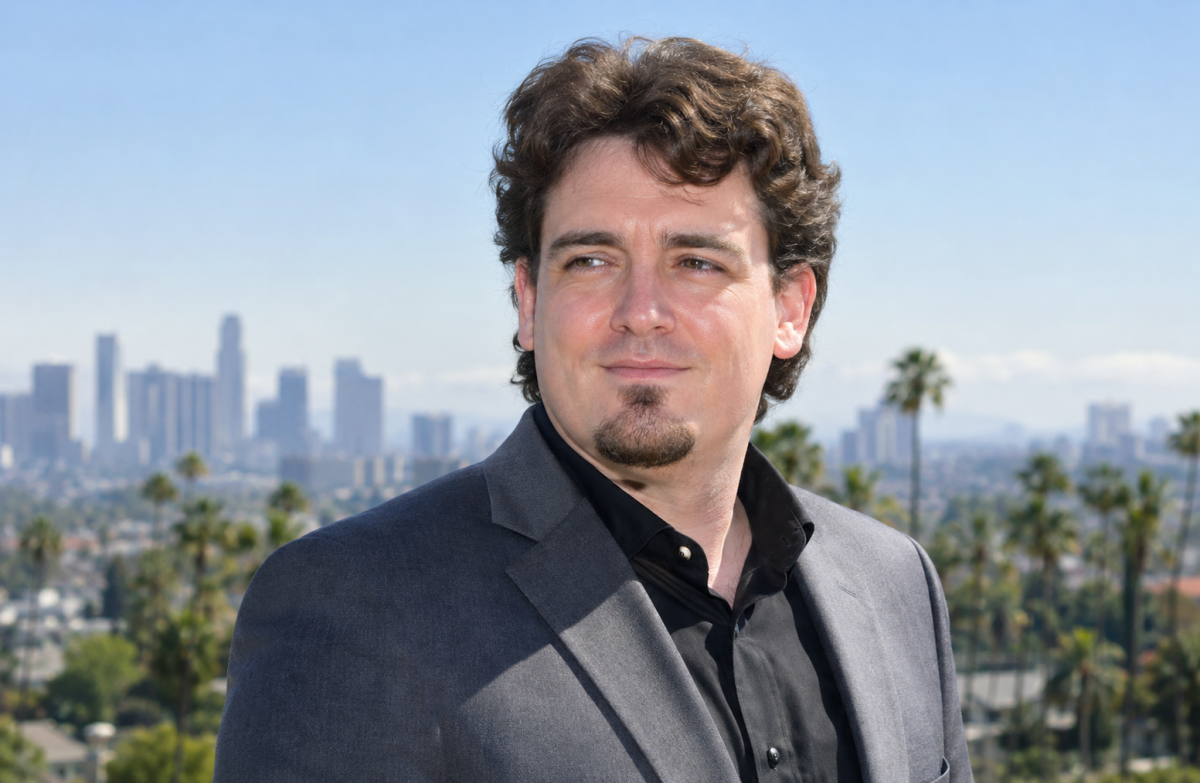
# Anduril Founder Palmer Luckey Plans to Stay in California Despite Proposed Billionaire Wealth Tax
Palmer Luckey, the billionaire founder of defense technology company Anduril, says he intends to remain in California despite opposing a proposed one-time wealth tax targeting the state’s wealthiest residents. His position adds to the debate over whether the measure could encourage wealthy individuals and businesses to relocate, while raising questions about public funding and future tax revenues.
According to TechCrunch, Luckey made the comments during an invitation-only press conference on Monday. He said he would prefer to stay in California and work to change policies he considers harmful rather than leave the state. He also expressed concern that the proposed tax could lead companies associated with him to move their operations elsewhere.
## Anduril’s Ownership Structure Raises Concerns
Luckey’s objections focus partly on how the proposed tax would value company ownership, voting rights and wealth held through private businesses. He explained that he has distributed equity in Anduril to employees while retaining voting rights that allow him to maintain control of the company.
Headquartered in Costa Mesa, California, Anduril was most recently valued at $61 billion. Luckey estimated that his potential tax bill could reach approximately $3 billion, depending on how the measure applies to his ownership stake and voting arrangements. The actual liability would depend on the proposal’s final interpretation and how his holdings are assessed.
Luckey has also argued that relocating could have implications for his voting rights. He said his position depends on remaining an American citizen living in the United States and continuing to run Anduril, a defense contractor that supplies equipment to the U.S. military.
He has indicated that he would pursue legal challenges if the measure passes, particularly over its treatment of voting interests and wealth accumulated before the tax takes effect. These represent Luckey’s objections to the proposal; whether any provision would face a successful constitutional challenge remains unresolved.
## What California’s Proposed Wealth Tax Would Do
California’s Proposition 40 would introduce a one-time tax of 5% on the net worth of billionaires who were California residents on January 1, 2026. Payments would be due in 2027, although eligible taxpayers could spread them over five years by paying an additional charge. Real estate, pensions and most retirement accounts would generally be excluded under the proposal.
The measure would allocate 90% of the revenue to health care, with the remaining 10% directed toward education, food assistance and tax administration. Supporters argue that the tax could help compensate for federal funding reductions affecting health care and other public services.
Opponents, however, warn that the measure could encourage wealthy residents and businesses to relocate, potentially weakening California’s future tax base. The state’s Legislative Analyst’s Office has indicated that the proposal could raise tens of billions of dollars, while also potentially reducing recurring income tax collections by less than $1 billion annually.
These competing projections have placed the proposal at the center of a wider discussion about how California can fund public services without discouraging investment or prompting high-net-worth residents to leave.
## Technology Leaders Take Different Approaches
Luckey’s decision to remain in California contrasts with reports that other prominent technology executives have moved away from the state amid the wealth-tax debate.
Google co-founders Larry Page and Sergey Brin have reportedly relocated from California, according to Bloomberg Law and other media outlets. Meta CEO Mark Zuckerberg, meanwhile, reached an agreement with Meta’s board intended to help cover a potential tax liability while preserving his control of the company. He also committed to remaining in California for eight years, subject to specified exceptions.
The differing responses highlight how wealthy technology leaders are weighing potential tax obligations against personal, business and operational considerations.
California voters are scheduled to decide on the proposal on November 3. The outcome could influence the state’s approach to taxing billionaire wealth and shape the continuing debate over public revenue, business investment and the relocation of wealthy residents.
For now, Luckey says he plans to remain in California and challenge the proposal rather than leave the state.
Tags
news
Comments (0)
Login to post comments
No comments yet
Be the first to share your thoughts about this post.