News
General
9 views
Halloween candy prices rise 15% in 2026
Oct 26, 2026
📍 Phliadelphia,PA, USA
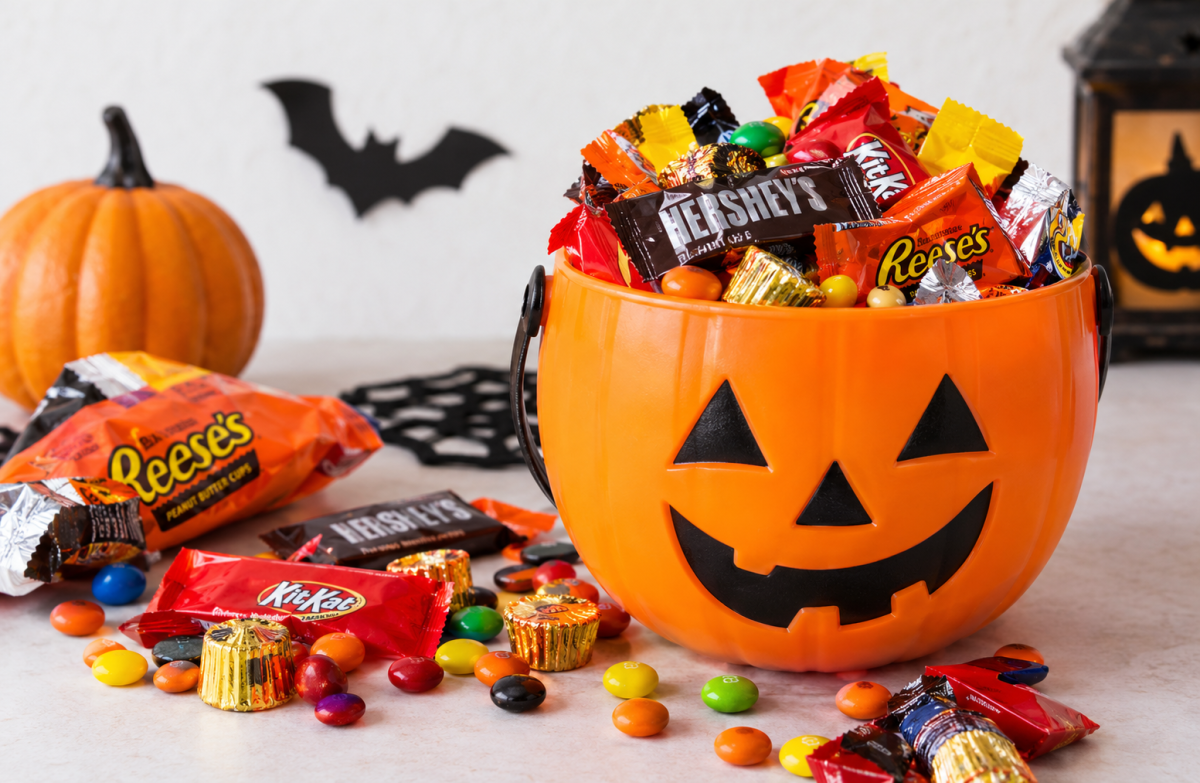
# Halloween Candy Prices Surge 15.3% as U.S. Shoppers Face Higher Holiday Costs
Halloween candy has become significantly more expensive in the United States, putting additional pressure on household budgets as families prepare for Oct. 31 celebrations. With prices climbing and other living expenses remaining high, consumers are becoming more selective about how much they spend on seasonal treats.
An Oct. 20 analysis by the Groundwork Collaborative and the Century Foundation found that candy prices increased 15.3% year over year. The findings, reported by Supermarket News on Oct. 21, showed that several popular products experienced price increases well above the overall rate of inflation.
The rising costs are creating challenges for households, retailers and confectionery manufacturers. As consumers face higher expenses for groceries, fuel and other essentials, questions are emerging about whether Halloween candy purchases will remain at their usual levels this year.
### Popular Candy Brands Record Steep Increases
The analysis highlighted price increases affecting products from major confectionery companies, including Mondelez International, Hershey and Ferrero.
Prices for Mondelez gummy candy packs reportedly rose 39% over the year. Hershey’s seasonal peanut butter cups increased by 23%, while Ferrero chocolate candy packs became nearly 19% more expensive.
These increases could significantly affect families and households purchasing candy in bulk for trick-or-treaters. The Groundwork Collaborative and the Century Foundation pointed to higher ingredient and packaging expenses as contributing factors. They also questioned why retail prices remained elevated even after cocoa prices declined from their previous peaks.
The figures reflect the organizations’ analysis and do not mean that every product or manufacturer experienced the same level of price growth.
### Cocoa and Production Costs Continue to Influence Prices
Candy prices have been under pressure for several years, particularly as disruptions in cocoa supplies have driven up chocolate production costs.
In an article published Sept. 8, the U.S. Bureau of Labor Statistics reported that consumer prices for candy and chewing gum rose 32% between December 2019 and November 2024. During that period, producer prices for confectionery materials, including cocoa products and corn sweeteners, increased 87.6%.
Cocoa beans, sugar and corn syrup are among the key ingredients used by the U.S. confectionery industry. Supply shortages, declining cocoa stocks and drought-related reductions in sugar production have contributed to higher manufacturing expenses.
Packaging has added another layer of cost pressure. The October analysis also cited aluminum tariffs and expenses associated with geopolitical tensions as factors affecting manufacturers. However, the extent to which these costs reach consumers differs across companies and products.
### Rising Prices Put Pressure on Halloween Spending
Higher candy prices are arriving at a time when many Americans are carefully managing their discretionary spending. According to Supermarket News, the National Retail Federation estimated that 74% of Americans planned to celebrate Halloween in 2026.
A LendingTree survey cited in the report found that 40% of parents with children under 18 expected to take on debt to cover Halloween-related expenses, highlighting the financial pressure surrounding seasonal celebrations.
Candy sales have also shown signs of weakening. The Associated Press reported on Oct. 24, citing NielsenIQ data, that sales fell 6.7% in the month ending Oct. 17 compared with the corresponding period in 2025. Sales had already declined 11.7% in mid-September.
The report linked the downturn to higher chocolate prices and broader concerns about affordability. Rising gasoline costs have further strained household finances, leaving some consumers with less money for nonessential purchases.
Government data cited by the AP showed that candy and chewing gum prices had increased 44% over five years as of September. In comparison, prices for food consumed at home rose 22.5% during the same period.
### Shoppers Shift Toward Smaller Packages
As prices rise, consumers may respond by comparing retailers, searching for promotions or buying smaller quantities rather than purchasing large bags of candy.
According to the AP, smaller candy bags were the only package size to record sales growth through mid-October. Sales of large and extra-large bags experienced the sharpest declines, suggesting that shoppers are reconsidering how much they buy.
These purchasing patterns indicate that households are attempting to preserve Halloween traditions while keeping spending under control. Whether the trend continues will become clearer as the holiday approaches and more consumers make their final candy purchases.
For retailers and candy manufacturers, the challenge is to maintain seasonal demand while customers become increasingly cautious about spending. With Halloween nearing, higher candy prices, elevated household expenses and changing shopping habits are shaping the U.S. holiday market.
Tags
news
Comments (0)
Login to post comments
No comments yet
Be the first to share your thoughts about this post.