News
General
9 views
Trump tells US tech companies to power their own data centers, pay communities ‘dividends’
Oct 22, 2026
📍 Phliadelphia,PA, USA
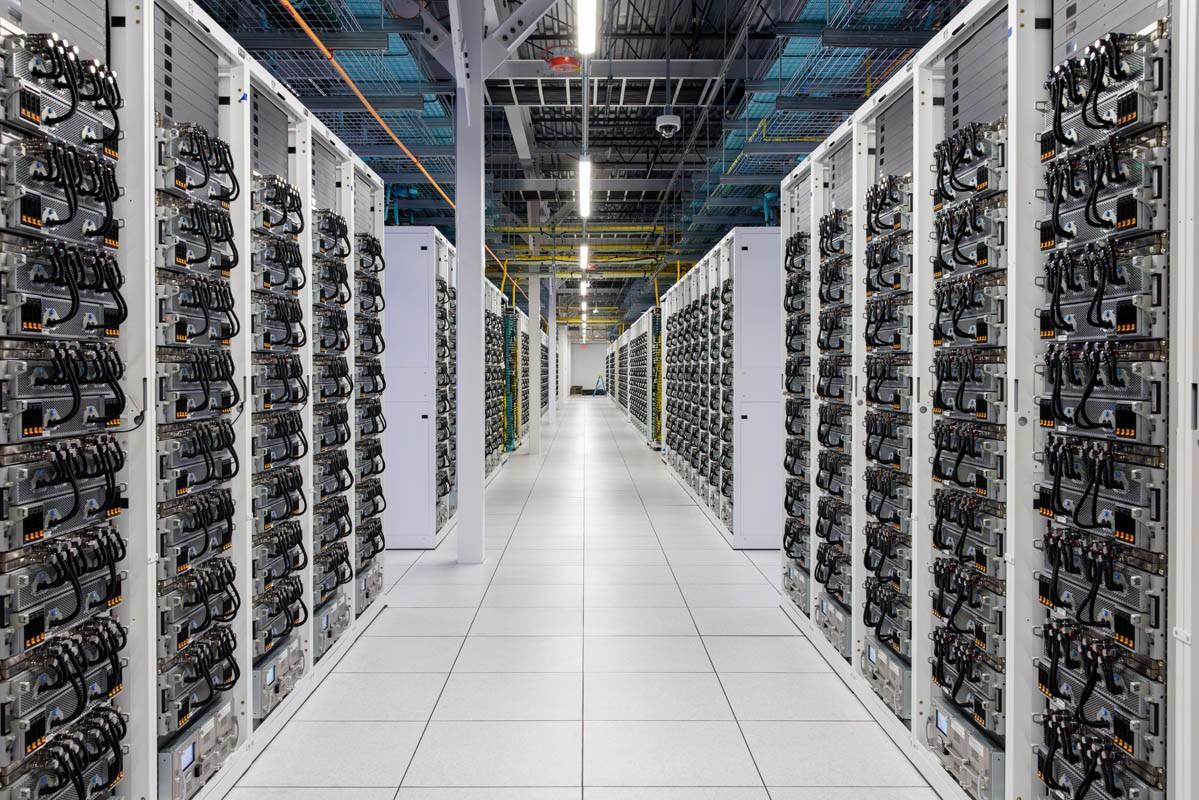
# Trump Says U.S. Data Centers Must Generate Their Own Power and Consider Community Dividends
President Donald Trump has called on companies building large data centers in the United States to generate their own electricity and consider sharing financial benefits with the communities hosting their facilities. The proposal comes as opposition to data center development grows over concerns about rising electricity costs, water consumption, noise pollution and pressure on local infrastructure.
In a Truth Social post early Wednesday, Trump said new large-scale data centers would be required to produce their own power and return or sell surplus electricity to local communities or the broader grid. He argued that the approach would help prevent data center expansion from driving up electricity prices for households and other businesses.
Trump also encouraged technology companies to offer communities or individual residents a financial “dividend” to build support for projects that have faced public resistance. He said he had observed data center proposals become more popular in areas where companies reached financial agreements with local communities.
The comments reflect the growing challenge technology companies face as they expand the infrastructure required to support cloud computing and artificial intelligence. While data centers can bring investment, jobs and tax revenue, their substantial energy requirements have prompted concerns among residents, local officials and environmental advocates.
Several major technology companies have already announced investments intended to strengthen relationships with communities hosting their facilities. Amazon and Meta recently pledged to invest at least $1 billion each in communities where their data centers operate. Supporters argue that such investments can create employment opportunities, expand local services and provide additional revenue for public infrastructure.
Data centers house the computer systems used to store and process information for financial services, cloud platforms and artificial intelligence applications. As demand for AI computing increases, companies are developing larger facilities that require substantial amounts of electricity and, in many cases, water for cooling. These demands have raised questions about whether existing power grids and local resources can accommodate the industry's rapid growth.
**Public opposition becomes a political issue**
Resistance to data center development has become an increasingly prominent issue ahead of the November midterm elections. A Gallup survey conducted in March found that 71% of Americans opposed building a data center in their local area. Respondents raised concerns including noise pollution and water scarcity.
Residents near the Southaven regional data center have also reported persistent mechanical noise that makes sleeping difficult. Such complaints illustrate how the effects of large facilities can extend beyond their electricity consumption to the everyday living conditions of nearby communities.
The Gallup survey found greater opposition to local data centers than to nuclear power plants, which 54% of Americans opposed. The findings point to a challenge for an industry that has become increasingly important to the development of artificial intelligence but must also address concerns about its impact on surrounding neighborhoods.
Trump has previously criticized opposition to data centers. In an August Truth Social post, he argued that communities should resist these projects only if they wanted to remain “backwards and poor.” He maintained that data centers could generate jobs, promote prosperity and help lower taxes, while warning that resistance to the industry could benefit China.
His latest comments suggest that he wants technology companies to address public concerns by providing more direct economic benefits and taking greater responsibility for their energy needs.
**Political pressure grows over AI infrastructure**
The debate is also influencing political campaigns. Democratic candidates, including Abdul El-Sayed, James Talarico and Sherrod Brown, have raised concerns about data center development as they challenge their political opponents. Leaders from both major parties have faced pressure to reconsider their support for large projects as constituents question their environmental and economic consequences.
Some states have begun taking steps to slow development. In July, New York imposed a one-year moratorium on the construction of large data centers, becoming the first U.S. state to take such action amid concerns about the environmental and economic effects of AI-driven infrastructure. The pause applies to facilities requiring at least 50 megawatts of power.
Texas has also taken action on proposed projects. Gov. Greg Abbott halted approvals for approximately 1,800 proposed data centers, despite promoting Texas as a major destination for artificial intelligence investment. The move highlights the tension between attracting technology investment and addressing concerns about the resources required to support it.
Trump's proposed approach would place greater emphasis on companies supplying their own electricity and sharing the benefits of development with host communities. However, the practical details of any mandate, including how power generation would be implemented and how community dividends would be structured, remain unclear.
As data center construction accelerates, technology companies and policymakers face growing pressure to balance the demand for AI infrastructure with reliable electricity supplies, environmental considerations and local acceptance. Whether self-generated power and financial incentives can reduce opposition will depend on how such proposals are implemented and whether communities believe they adequately address their concerns.
Tags
news
Comments (0)
Login to post comments
No comments yet
Be the first to share your thoughts about this post.