News
General
14 views
Elon Musk hints at launching Amazon competitorh
Oct 16, 2026
📍 Phliadelphia,PA, USA
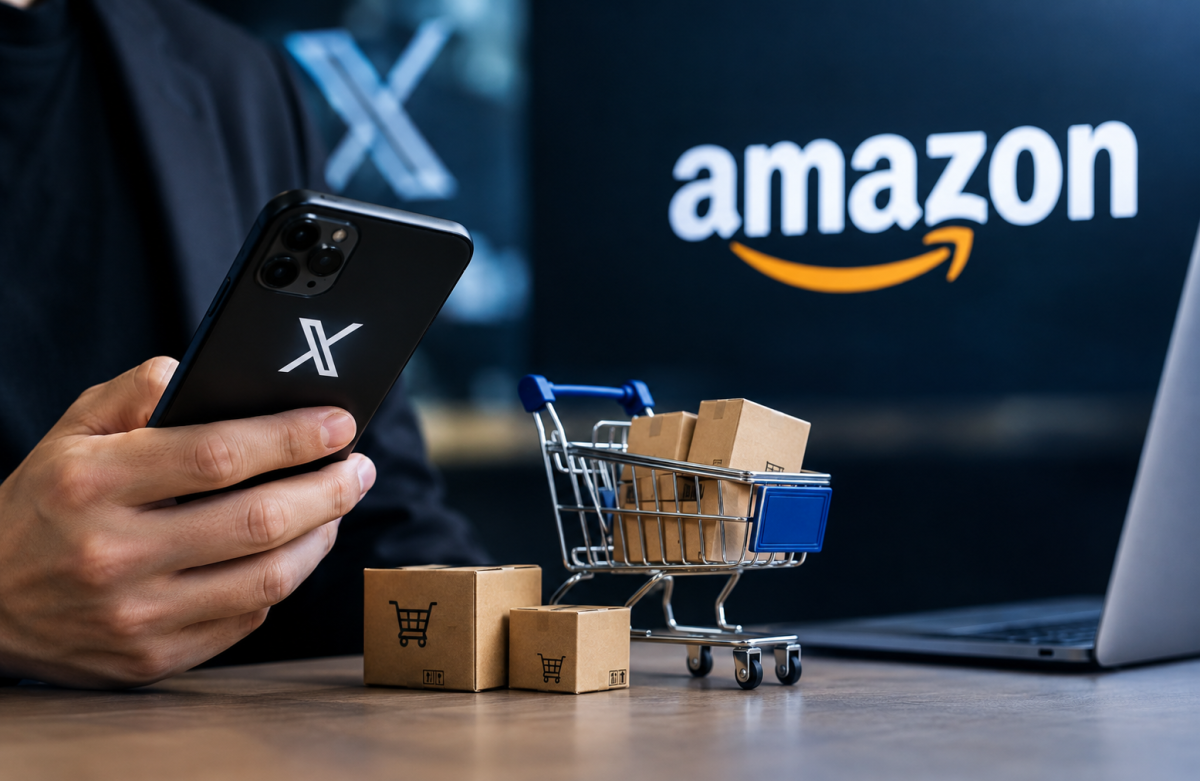
# Elon Musk Hints at Possible Amazon Rival Amid AI Shopping Bot Dispute
Elon Musk has raised the possibility of entering the e-commerce market, suggesting that his companies could launch a competitor to Amazon following a dispute over artificial intelligence shopping bots. His comment has sparked speculation about whether the billionaire could expand his business interests into online retail by combining social media, AI-powered product discovery and digital shopping.
“Maybe we should start a competitor to Amazon,” Musk wrote on X on October 15, responding to a discussion about Amazon restricting AI bots from placing orders on its platform. Although the remark has attracted attention, Musk has not announced a formal plan to establish an e-commerce business or provided details about a potential launch.
The exchange highlights a possible new direction for Musk’s business empire and raises questions about how AI assistants could reshape online shopping. It also brings attention to the growing tension between retailers seeking to control access to their platforms and technology companies developing AI agents that can perform shopping tasks for consumers.
### AI shopping bot dispute sparks Amazon rival suggestion
The discussion began after an X user claimed that Amazon was preventing Grok bots from placing orders on its website. The user described using a Grok-powered bot to manage Amazon returns and questioned whether shoppers might consider alternative retailers if AI assistants were unable to interact with Amazon’s services.
Musk responded by suggesting that his companies could establish a competing platform. Other participants in the discussion proposed the name “X Shop,” but Musk did not confirm that name or disclose any details about a potential service.
The exchange does not indicate that development of a new marketplace has begun. However, it illustrates how restrictions on third-party AI shopping agents could become a point of competition between established online retailers and companies seeking to build AI-driven consumer services.
Amazon has also restricted Meta’s Muse AI shopping agent. Reports have cited concerns about unauthorized access to Amazon’s website and the handling of customer credentials, highlighting the security and control issues that arise when external AI systems interact with retail platforms.
### Could X and Grok support an online marketplace?
Musk’s existing businesses could provide a foundation for exploring an e-commerce service. X already offers a social media platform where users discover products, discuss brands and share recommendations, while Grok could potentially help shoppers search for products, compare alternatives and make purchasing decisions.
One possible approach would be to integrate shopping features directly into X, allowing users to discover products and complete transactions without leaving the platform. Another possibility would be to develop an AI-powered interface that connects shoppers with independent merchants and helps automate parts of the purchasing process.
These ideas remain speculative, as Musk has not outlined a business model or confirmed that either approach is under consideration.
The broader concept reflects a growing interest in AI-assisted commerce. Rather than visiting several websites, consumers could ask an AI assistant to identify suitable products, compare prices and specifications, and recommend options based on their requirements. More advanced systems could eventually handle selected purchasing tasks with a user's authorization.
However, such services would need reliable access to product information, accurate pricing, secure payment systems and clear safeguards around purchases. Retailers also have an interest in determining how their websites, product listings and customer accounts are accessed by external automated systems.
Amazon’s restrictions demonstrate the challenge of building AI shopping services that operate across multiple retailers. While AI developers want their assistants to work seamlessly across platforms, retailers may seek to preserve control over customer interactions, transactions and sensitive account information.
### Musk and Bezos could face another competitive front
A potential move into e-commerce would add another dimension to the business rivalry between Musk and Amazon founder Jeff Bezos. Their business interests have already intersected in the space industry through SpaceX and Blue Origin, which compete in areas including launch services and space infrastructure.
Musk’s business portfolio spans electric vehicles through Tesla, space launches and satellite internet through SpaceX and Starlink, and artificial intelligence and social media through xAI and X. SpaceX acquired xAI in February 2026, bringing the AI company and X within the same corporate structure as the space business.
An e-commerce venture could create another opportunity to connect these technology businesses, particularly if AI becomes central to how consumers discover products and complete transactions. Nevertheless, a successful marketplace would require capabilities that extend well beyond social media and chatbot technology.
Amazon operates an extensive retail ecosystem involving third-party sellers, warehouses, logistics networks, payment services, customer support and returns. A new competitor would need to attract merchants, establish consumer trust, provide secure transactions and offer dependable fulfilment services at scale.
Building those capabilities would require substantial investment, operational expertise and a clear strategy for differentiating the service from existing marketplaces.
For now, Musk’s statement remains a suggestion made during an online discussion rather than a formal business announcement. Whether it develops into a concrete e-commerce initiative will depend on any subsequent plans, investment decisions and implementation steps from Musk and his companies.
Tags
news
Comments (0)
Login to post comments
No comments yet
Be the first to share your thoughts about this post.