News
General
1 views
US software stocks hit 2026 highs as AI disruption fears fade
Oct 07, 2026
📍 Phliadelphia,PA, USA
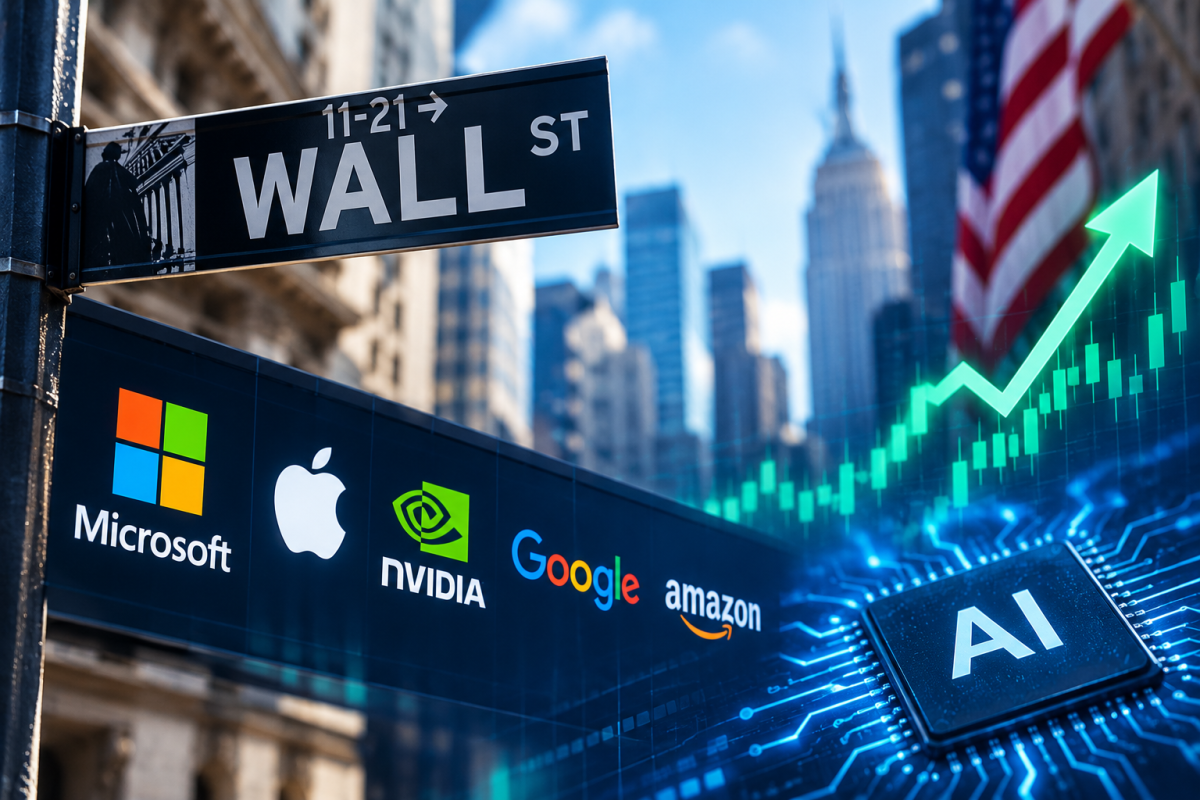
### U.S. Software Stocks Hit 2026 Highs as AI Disruption Fears Ease
U.S. software stocks are climbing to new highs for 2026 as stronger earnings expectations and improving investor sentiment challenge earlier fears that artificial intelligence could severely disrupt the industry.
The S&P 500 software and services index gained 1.3% Tuesday, reaching its highest level since November 2025. The sector also recorded its strongest quarterly performance from July through September since the second quarter of 2020.
Improving financial results from major software companies have helped restore confidence in the sector. Salesforce, ServiceNow and Accenture have reported strong earnings, while partnerships between established software companies and AI developers have reinforced expectations that artificial intelligence could become a growth driver rather than an immediate threat.
Cybersecurity companies have been among the biggest beneficiaries. As businesses deploy more AI systems, demand for protecting data, applications and networks has increased. Shares of companies such as CrowdStrike, Fortinet and Palo Alto Networks have posted triple-digit percentage gains this year.
The shift in sentiment reflects a growing view on Wall Street that AI may ultimately help many software companies expand their businesses rather than replace them.
“AI has been more of an enabler for a lot of these software companies, more than a disruptor,” said Adam Turnquist, chief cross-asset strategist at LPL Financial.
He also said software appears to be regaining market leadership, potentially creating an opportunity for the sector to outperform semiconductor stocks.
Earnings expectations have strengthened alongside the share-price recovery. According to LSEG data, analysts now expect software companies to deliver annual earnings growth of 20.6% in 2026, up significantly from the 13.8% estimate at the end of March.
The improving outlook represents a notable reversal from earlier in the year, when investors became increasingly concerned about what some analysts dubbed the “SaaSpocalypse.”
The term refers to fears that AI could allow companies to develop software applications internally at a much lower cost, reducing their reliance on traditional software-as-a-service providers.
Those concerns contributed to a sharp selloff earlier this year. The software index dropped more than 26% between late January and its April low as investors questioned whether generative AI would undermine the business models of established SaaS companies.
Wall Street's concerns intensified as AI coding tools became increasingly capable. Products such as Anthropic's Claude Code raised the possibility that companies could use AI to recreate or customize software that previously required purchasing products from established vendors.
Another concern involved the traditional per-user pricing model used by many SaaS companies. If AI-driven productivity significantly reduced the number of workers needed across the global economy, companies charging customers based on employee counts could eventually face pressure on subscription revenue.
However, the disruption has so far progressed more slowly than some investors initially expected.
“The whole SaaSpocalypse didn’t happen anywhere near as fast as some of the people on Wall Street thought it would,” said Rebecca Wettemann, CEO of technology research firm Valoir.
She noted that software vendors were reporting stronger customer adoption as businesses moved AI initiatives beyond early experimentation and began incorporating the technology into regular operations.
The shift does not eliminate the longer-term risks facing software companies. AI coding capabilities continue to improve, and cheaper computing and expanding infrastructure could make it easier for businesses to develop increasingly sophisticated applications internally.
Brian Mulberry, chief market strategist at Zacks Investment Management, said a more important test for the software industry could emerge in the second half of 2027, when additional data-center capacity may allow AI coding tools to become a more significant competitive threat.
For now, investors appear to be placing greater emphasis on software companies' ability to use AI to enhance products, improve productivity and generate new sources of revenue.
The rebound suggests that the market's initial fears about AI destroying the software industry may have been premature. But with AI capabilities advancing rapidly, the longer-term relationship between artificial intelligence and traditional software businesses remains an important question for investors.
U.S. software stocks are climbing to new highs for 2026 as stronger earnings expectations and improving investor sentiment challenge earlier fears that artificial intelligence could severely disrupt the industry.
The S&P 500 software and services index gained 1.3% Tuesday, reaching its highest level since November 2025. The sector also recorded its strongest quarterly performance from July through September since the second quarter of 2020.
Improving financial results from major software companies have helped restore confidence in the sector. Salesforce, ServiceNow and Accenture have reported strong earnings, while partnerships between established software companies and AI developers have reinforced expectations that artificial intelligence could become a growth driver rather than an immediate threat.
Cybersecurity companies have been among the biggest beneficiaries. As businesses deploy more AI systems, demand for protecting data, applications and networks has increased. Shares of companies such as CrowdStrike, Fortinet and Palo Alto Networks have posted triple-digit percentage gains this year.
The shift in sentiment reflects a growing view on Wall Street that AI may ultimately help many software companies expand their businesses rather than replace them.
“AI has been more of an enabler for a lot of these software companies, more than a disruptor,” said Adam Turnquist, chief cross-asset strategist at LPL Financial.
He also said software appears to be regaining market leadership, potentially creating an opportunity for the sector to outperform semiconductor stocks.
Earnings expectations have strengthened alongside the share-price recovery. According to LSEG data, analysts now expect software companies to deliver annual earnings growth of 20.6% in 2026, up significantly from the 13.8% estimate at the end of March.
The improving outlook represents a notable reversal from earlier in the year, when investors became increasingly concerned about what some analysts dubbed the “SaaSpocalypse.”
The term refers to fears that AI could allow companies to develop software applications internally at a much lower cost, reducing their reliance on traditional software-as-a-service providers.
Those concerns contributed to a sharp selloff earlier this year. The software index dropped more than 26% between late January and its April low as investors questioned whether generative AI would undermine the business models of established SaaS companies.
Wall Street's concerns intensified as AI coding tools became increasingly capable. Products such as Anthropic's Claude Code raised the possibility that companies could use AI to recreate or customize software that previously required purchasing products from established vendors.
Another concern involved the traditional per-user pricing model used by many SaaS companies. If AI-driven productivity significantly reduced the number of workers needed across the global economy, companies charging customers based on employee counts could eventually face pressure on subscription revenue.
However, the disruption has so far progressed more slowly than some investors initially expected.
“The whole SaaSpocalypse didn’t happen anywhere near as fast as some of the people on Wall Street thought it would,” said Rebecca Wettemann, CEO of technology research firm Valoir.
She noted that software vendors were reporting stronger customer adoption as businesses moved AI initiatives beyond early experimentation and began incorporating the technology into regular operations.
The shift does not eliminate the longer-term risks facing software companies. AI coding capabilities continue to improve, and cheaper computing and expanding infrastructure could make it easier for businesses to develop increasingly sophisticated applications internally.
Brian Mulberry, chief market strategist at Zacks Investment Management, said a more important test for the software industry could emerge in the second half of 2027, when additional data-center capacity may allow AI coding tools to become a more significant competitive threat.
For now, investors appear to be placing greater emphasis on software companies' ability to use AI to enhance products, improve productivity and generate new sources of revenue.
The rebound suggests that the market's initial fears about AI destroying the software industry may have been premature. But with AI capabilities advancing rapidly, the longer-term relationship between artificial intelligence and traditional software businesses remains an important question for investors.
Tags
news
Comments (0)
Login to post comments
No comments yet
Be the first to share your thoughts about this post.