News
General
15 views
Nissan eyes higher US output with 2027 Rogue
Sep 22, 2026
📍 Phliadelphia,PA, USA
### Nissan Eyes Higher U.S. Production as 2027 Rogue Hybrid Nears Launch
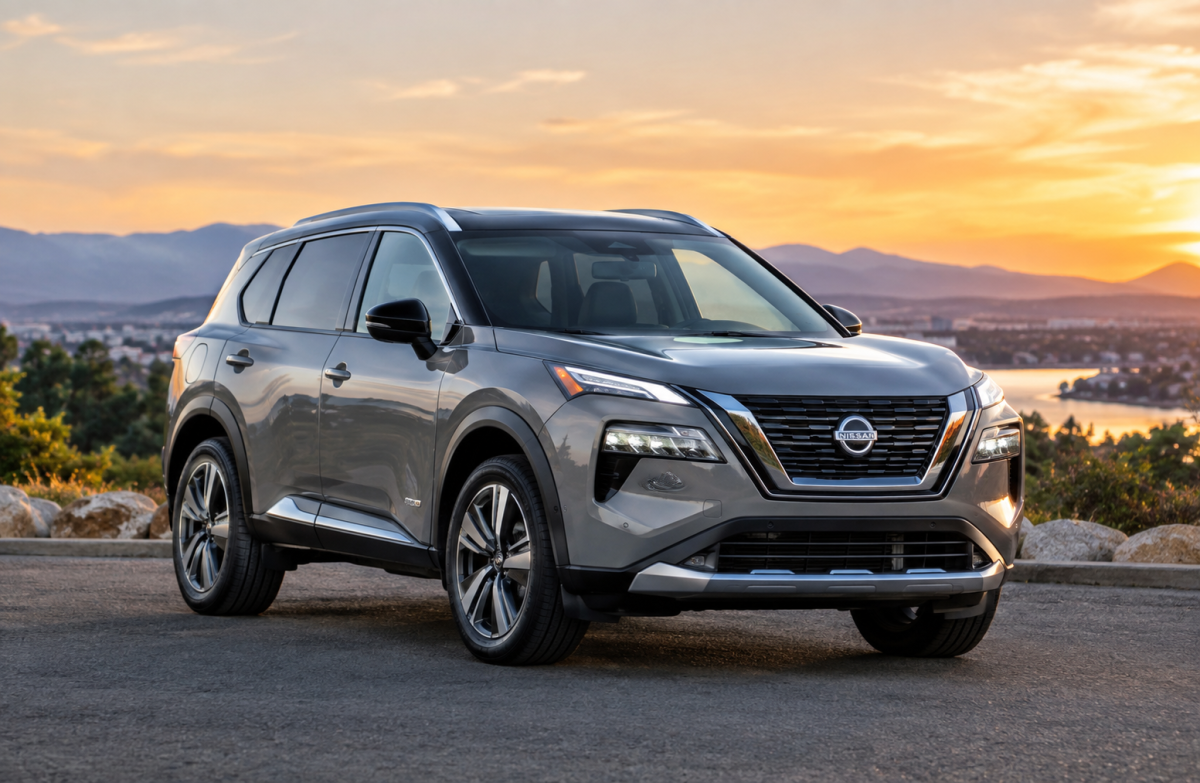
Nissan Motor is considering a significant increase in U.S. vehicle production as it prepares to launch the 2027 Rogue, including a new hybrid version that the automaker views as an important part of its strategy for the American market.
Christian Meunier, chairman of Nissan Americas, told CNBC that the company is operating close to the limits of its existing U.S. manufacturing capacity and is evaluating the possibility of adding a third production shift at its American factories.
“We’re now maxing out the production capacity in the U.S.,” Meunier said, adding that moving to three shifts could be the company’s next step.
Nissan currently manufactures the Rogue and other crossover models at its roughly 6-million-square-foot assembly plant in Smyrna, Tennessee. The automaker also operates a major facility in Canton, Mississippi, where it builds the Altima sedan and Frontier pickup.
If Nissan ultimately adds a third shift at both facilities, Meunier said annual U.S. production could increase to around 1 million vehicles. That would represent a substantial increase from the nearly 487,000 vehicles Nissan produced in the United States in 2025.
The potential expansion comes as Nissan prepares to introduce the 2027 Rogue to American consumers. The company unveiled the U.S.-market model on September 21, including a new hybrid variant powered by Nissan’s e-Power technology.
Unlike a conventional hybrid system, e-Power uses a gasoline engine primarily as an electricity generator, while electric motors provide propulsion to the wheels. The system does not require drivers to plug the vehicle into an external charging source.
The Rogue is one of Nissan’s most important models in the United States and competes in the highly competitive compact crossover segment against vehicles such as the Toyota RAV4 and Honda CR-V.
Nissan plans to begin manufacturing the gasoline-powered 2027 Rogue at its Smyrna plant in spring 2027. Production of the Rogue Hybrid in the United States is expected to follow later in the year.
To introduce the hybrid to American customers sooner, Nissan plans to initially import Rogue Hybrid models from Japan before domestic production begins.
The Rogue Hybrid is expected to start at $35,490, while the Platinum version will carry a starting price of $43,490.
Nissan’s potential production increase reflects a broader effort to make greater use of its existing U.S. manufacturing network rather than immediately investing in a new American assembly plant.
The automaker has set a target of producing 80% of the vehicles it sells in the United States domestically by 2030. For now, Nissan does not plan to construct another U.S. factory and instead intends to increase utilization of its existing facilities.
The Canton plant has annual production capacity of approximately 410,000 vehicles and employs about 3,200 people, according to Nissan’s 2026 plant information. The facility covers roughly 4.7 million square feet and currently manufactures the Altima and Frontier.
Smyrna is another major part of Nissan’s North American manufacturing network. The Tennessee facility produces the Rogue, Pathfinder and Murano, along with the Infiniti QX60.
The Rogue Hybrid is also central to Nissan’s efforts to compete in an American hybrid market dominated by established offerings from Toyota and Honda.
Nissan is betting that its e-Power system can provide a distinct alternative by delivering electric-motor driving without requiring owners to regularly connect the vehicle to a charging station.
The new Rogue is arriving as Nissan works through a broader business turnaround that includes adjustments to its vehicle lineup, efforts to improve factory utilization and a renewed focus on its core markets.
For Nissan, the Rogue launch and its manufacturing plans are closely connected. Strong demand for the new model could support higher utilization of its American plants, while additional shifts could substantially increase the company’s domestic production capacity.
However, Nissan has not committed to implementing the proposed third shifts. The company is continuing to assess production requirements and market demand as it prepares for the next generation of Rogue models.
Nissan Motor is considering a significant increase in U.S. vehicle production as it prepares to launch the 2027 Rogue, including a new hybrid version that the automaker views as an important part of its strategy for the American market.
Christian Meunier, chairman of Nissan Americas, told CNBC that the company is operating close to the limits of its existing U.S. manufacturing capacity and is evaluating the possibility of adding a third production shift at its American factories.
“We’re now maxing out the production capacity in the U.S.,” Meunier said, adding that moving to three shifts could be the company’s next step.
Nissan currently manufactures the Rogue and other crossover models at its roughly 6-million-square-foot assembly plant in Smyrna, Tennessee. The automaker also operates a major facility in Canton, Mississippi, where it builds the Altima sedan and Frontier pickup.
If Nissan ultimately adds a third shift at both facilities, Meunier said annual U.S. production could increase to around 1 million vehicles. That would represent a substantial increase from the nearly 487,000 vehicles Nissan produced in the United States in 2025.
The potential expansion comes as Nissan prepares to introduce the 2027 Rogue to American consumers. The company unveiled the U.S.-market model on September 21, including a new hybrid variant powered by Nissan’s e-Power technology.
Unlike a conventional hybrid system, e-Power uses a gasoline engine primarily as an electricity generator, while electric motors provide propulsion to the wheels. The system does not require drivers to plug the vehicle into an external charging source.
The Rogue is one of Nissan’s most important models in the United States and competes in the highly competitive compact crossover segment against vehicles such as the Toyota RAV4 and Honda CR-V.
Nissan plans to begin manufacturing the gasoline-powered 2027 Rogue at its Smyrna plant in spring 2027. Production of the Rogue Hybrid in the United States is expected to follow later in the year.
To introduce the hybrid to American customers sooner, Nissan plans to initially import Rogue Hybrid models from Japan before domestic production begins.
The Rogue Hybrid is expected to start at $35,490, while the Platinum version will carry a starting price of $43,490.
Nissan’s potential production increase reflects a broader effort to make greater use of its existing U.S. manufacturing network rather than immediately investing in a new American assembly plant.
The automaker has set a target of producing 80% of the vehicles it sells in the United States domestically by 2030. For now, Nissan does not plan to construct another U.S. factory and instead intends to increase utilization of its existing facilities.
The Canton plant has annual production capacity of approximately 410,000 vehicles and employs about 3,200 people, according to Nissan’s 2026 plant information. The facility covers roughly 4.7 million square feet and currently manufactures the Altima and Frontier.
Smyrna is another major part of Nissan’s North American manufacturing network. The Tennessee facility produces the Rogue, Pathfinder and Murano, along with the Infiniti QX60.
The Rogue Hybrid is also central to Nissan’s efforts to compete in an American hybrid market dominated by established offerings from Toyota and Honda.
Nissan is betting that its e-Power system can provide a distinct alternative by delivering electric-motor driving without requiring owners to regularly connect the vehicle to a charging station.
The new Rogue is arriving as Nissan works through a broader business turnaround that includes adjustments to its vehicle lineup, efforts to improve factory utilization and a renewed focus on its core markets.
For Nissan, the Rogue launch and its manufacturing plans are closely connected. Strong demand for the new model could support higher utilization of its American plants, while additional shifts could substantially increase the company’s domestic production capacity.
However, Nissan has not committed to implementing the proposed third shifts. The company is continuing to assess production requirements and market demand as it prepares for the next generation of Rogue models.
Tags
news
Comments (0)
Login to post comments
No comments yet
Be the first to share your thoughts about this post.