News
General
8 views
The Kennedy Center is a sacred space bigger than any name
Sep 21, 2026
📍 Phliadelphia,PA, USA
# The Kennedy Center Is More Than a Building. It Is a Living Legacy of the Arts
Some buildings are admired because of their architecture. Others command respect because of the history associated with them. But a small number of institutions acquire something much deeper over time: a collective identity shaped by the people who have performed, created, watched and dreamed within their walls. The Kennedy Center belongs to that rare category.
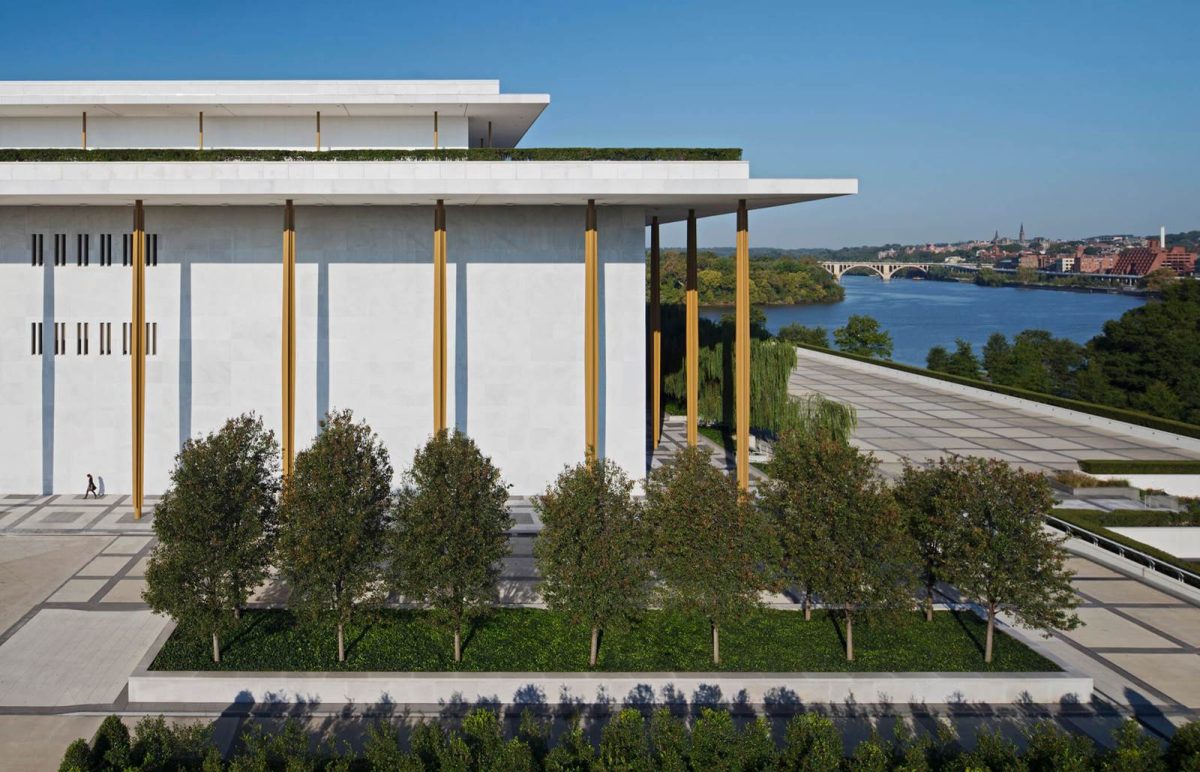
For generations, the Kennedy Center has stood as one of America's most prominent stages for the performing arts. Artists from across the United States and around the world have aspired to perform there, but its importance cannot be measured simply by its striking architecture or its location on the Potomac River. Its real significance lies in the people who have stood on its stages and the experiences shared by generations of audiences.
The building itself is ultimately only the vessel. What gives the institution meaning is the accumulation of human creativity, discipline, emotion and aspiration that has taken place inside it over decades.
I had the opportunity to experience that spirit through UTSAV, a festival we produced at the Kennedy Center for several years to introduce Western audiences to some of India's finest traditions of classical music and dance. The festival created an opportunity for Indian artists to bring centuries-old cultural traditions to one of America's most recognized performing-arts institutions.
More than 100 artists from India participated in UTSAV, many representing traditions that had been passed from teacher to student for generations. They arrived not merely as performers but as custodians of musical and artistic traditions carrying layers of history, discipline, spirituality and cultural memory.
Watching those artists perform at the Kennedy Center changed my understanding of what makes certain cultural venues special. The feeling associated with such a stage cannot be explained entirely by its acoustics, architecture or institutional reputation. There is also an intangible awareness that an artist is becoming part of a much larger artistic lineage.
That feeling is not unique to Washington. Legendary venues such as Carnegie Hall and the Sydney Opera House have developed similar identities. Their importance extends beyond their physical structures because countless artists and audiences have contributed to the memories associated with those places.
A musician brings years of practice and sacrifice to the stage. A dancer carries the discipline of countless hours of training. A singer brings not only technical ability but also a lifetime of experiences, emotions and influences. Each performance becomes another layer in the story of the institution.
Over time, those individual moments accumulate into something larger than any single performance. A stage begins to carry the memory of the people who have stood upon it, while audiences become participants in that continuing history.
This is why artists often speak about great venues with a reverence that seems disproportionate to the physical buildings themselves. They understand that performing in such a place means entering a tradition that existed before them and will continue after they are gone.
That is what makes the Kennedy Center feel sacred.
Its significance does not come from any single individual who has led, governed or represented the institution. It comes from the cumulative contribution of artists, audiences, employees and cultural communities that have shaped its identity over generations.
Institutions of this kind inevitably outlast the people who temporarily occupy positions of authority within them. Administrations change. Boards change. Artistic directors change. Leadership changes. Public debates come and go. But the cultural history created by generations of artists cannot belong to any one person.
That history belongs to the arts themselves.
When we brought Indian classical performers to the Kennedy Center through UTSAV, the objective was not simply to place Indian artists on a prestigious American stage. It was to create a cultural bridge. The performances gave audiences an opportunity to encounter traditions developed thousands of miles away, while music and dance provided a form of communication that required no translation.
That experience reinforced my belief that great cultural institutions are essential to civilization because they preserve something profoundly human.
We live in a period increasingly shaped by technology, automation and artificial intelligence. More aspects of life can now be measured, processed and reproduced through machines. Yet a live performance remains an intensely human experience. Behind every movement, note or voice is a person shaped by years of discipline, emotion, failure, imagination and perseverance.
A performance is therefore more than entertainment. It is a form of human expression that connects one individual experience with another.
That is why institutions such as the Kennedy Center matter. They form part of the cultural infrastructure through which societies preserve memory, exchange ideas and encounter traditions different from their own.
The Kennedy Center should consequently be understood as more than a building in Washington. It is a living repository of artistic aspiration, containing the accumulated experiences of performers and audiences from different cultures and generations.
Its future should be measured not by any single moment or personality, but by what it makes possible for the generations that follow.
A young dancer from India should be able to look at the Kennedy Center and imagine bringing her tradition to its stage. A musician from Japan, an opera singer from Italy or a young American actor should likewise be able to see it as a place where artistic ambition can become reality. Artists from communities that have not yet been represented there should be able to imagine that their traditions, too, have a place within its halls.
Audiences should continue to enter those spaces and discover something that reminds them of what people across cultures have in common.
Perhaps that is the real meaning of a sacred cultural institution. Its importance does not come from who controls it or whose name is associated with it at a particular moment. It comes from what generations of people have created there and what those creations mean to those who come afterward.
The Kennedy Center has accumulated that collective energy for decades. Every artist who has performed there has added something to its history, and every audience member who has been moved by a performance has become part of its continuing story.
That legacy cannot be owned by one individual because it belongs to something larger: the collective human experience.
Whatever names or leadership structures may change over time, the essential purpose of the Kennedy Center should remain bigger than any person connected to it. It should continue to be a place where artists bring their finest work, cultures meet across borders and audiences encounter the enduring power of human creativity.
Some buildings are admired because of their architecture. Others command respect because of the history associated with them. But a small number of institutions acquire something much deeper over time: a collective identity shaped by the people who have performed, created, watched and dreamed within their walls. The Kennedy Center belongs to that rare category.
For generations, the Kennedy Center has stood as one of America's most prominent stages for the performing arts. Artists from across the United States and around the world have aspired to perform there, but its importance cannot be measured simply by its striking architecture or its location on the Potomac River. Its real significance lies in the people who have stood on its stages and the experiences shared by generations of audiences.
The building itself is ultimately only the vessel. What gives the institution meaning is the accumulation of human creativity, discipline, emotion and aspiration that has taken place inside it over decades.
I had the opportunity to experience that spirit through UTSAV, a festival we produced at the Kennedy Center for several years to introduce Western audiences to some of India's finest traditions of classical music and dance. The festival created an opportunity for Indian artists to bring centuries-old cultural traditions to one of America's most recognized performing-arts institutions.
More than 100 artists from India participated in UTSAV, many representing traditions that had been passed from teacher to student for generations. They arrived not merely as performers but as custodians of musical and artistic traditions carrying layers of history, discipline, spirituality and cultural memory.
Watching those artists perform at the Kennedy Center changed my understanding of what makes certain cultural venues special. The feeling associated with such a stage cannot be explained entirely by its acoustics, architecture or institutional reputation. There is also an intangible awareness that an artist is becoming part of a much larger artistic lineage.
That feeling is not unique to Washington. Legendary venues such as Carnegie Hall and the Sydney Opera House have developed similar identities. Their importance extends beyond their physical structures because countless artists and audiences have contributed to the memories associated with those places.
A musician brings years of practice and sacrifice to the stage. A dancer carries the discipline of countless hours of training. A singer brings not only technical ability but also a lifetime of experiences, emotions and influences. Each performance becomes another layer in the story of the institution.
Over time, those individual moments accumulate into something larger than any single performance. A stage begins to carry the memory of the people who have stood upon it, while audiences become participants in that continuing history.
This is why artists often speak about great venues with a reverence that seems disproportionate to the physical buildings themselves. They understand that performing in such a place means entering a tradition that existed before them and will continue after they are gone.
That is what makes the Kennedy Center feel sacred.
Its significance does not come from any single individual who has led, governed or represented the institution. It comes from the cumulative contribution of artists, audiences, employees and cultural communities that have shaped its identity over generations.
Institutions of this kind inevitably outlast the people who temporarily occupy positions of authority within them. Administrations change. Boards change. Artistic directors change. Leadership changes. Public debates come and go. But the cultural history created by generations of artists cannot belong to any one person.
That history belongs to the arts themselves.
When we brought Indian classical performers to the Kennedy Center through UTSAV, the objective was not simply to place Indian artists on a prestigious American stage. It was to create a cultural bridge. The performances gave audiences an opportunity to encounter traditions developed thousands of miles away, while music and dance provided a form of communication that required no translation.
That experience reinforced my belief that great cultural institutions are essential to civilization because they preserve something profoundly human.
We live in a period increasingly shaped by technology, automation and artificial intelligence. More aspects of life can now be measured, processed and reproduced through machines. Yet a live performance remains an intensely human experience. Behind every movement, note or voice is a person shaped by years of discipline, emotion, failure, imagination and perseverance.
A performance is therefore more than entertainment. It is a form of human expression that connects one individual experience with another.
That is why institutions such as the Kennedy Center matter. They form part of the cultural infrastructure through which societies preserve memory, exchange ideas and encounter traditions different from their own.
The Kennedy Center should consequently be understood as more than a building in Washington. It is a living repository of artistic aspiration, containing the accumulated experiences of performers and audiences from different cultures and generations.
Its future should be measured not by any single moment or personality, but by what it makes possible for the generations that follow.
A young dancer from India should be able to look at the Kennedy Center and imagine bringing her tradition to its stage. A musician from Japan, an opera singer from Italy or a young American actor should likewise be able to see it as a place where artistic ambition can become reality. Artists from communities that have not yet been represented there should be able to imagine that their traditions, too, have a place within its halls.
Audiences should continue to enter those spaces and discover something that reminds them of what people across cultures have in common.
Perhaps that is the real meaning of a sacred cultural institution. Its importance does not come from who controls it or whose name is associated with it at a particular moment. It comes from what generations of people have created there and what those creations mean to those who come afterward.
The Kennedy Center has accumulated that collective energy for decades. Every artist who has performed there has added something to its history, and every audience member who has been moved by a performance has become part of its continuing story.
That legacy cannot be owned by one individual because it belongs to something larger: the collective human experience.
Whatever names or leadership structures may change over time, the essential purpose of the Kennedy Center should remain bigger than any person connected to it. It should continue to be a place where artists bring their finest work, cultures meet across borders and audiences encounter the enduring power of human creativity.
Tags
news
Comments (0)
Login to post comments
No comments yet
Be the first to share your thoughts about this post.