News
General
17 views
“I am Tamil as fuck”: Maitreyi Ramakrishnan gets candid about her roots in Best of the Best
Sep 21, 2026
📍 Phliadelphia,PA, USA
### Maitreyi Ramakrishnan Embraces Her Tamil Identity in *Best of the Best*
Maitreyi Ramakrishnan has never been shy about embracing her Tamil heritage, and the *Never Have I Ever* star recently offered an unapologetic description of how deeply her cultural identity remains part of who she is.
During a conversation with Hasan Minhaj alongside her *Best of the Best* co-star Priyanka Kedia, Ramakrishnan spoke openly about her Tamil roots, her family history and the relationship she has developed with her culture while growing up in Canada.
For Ramakrishnan, being Tamil is not about perfectly following every cultural tradition or meeting a particular definition of what a Tamil person should look like or behave like. It is about understanding where she comes from, embracing her family and carrying that history with her.
The actor has described herself as a Tamil Eelam woman and said that her cultural identity has become even more meaningful as her career has developed. Rather than seeing her heritage as something separate from her professional life, she considers it an important part of the person she has become.
Ramakrishnan has also acknowledged that her relationship with Tamil culture is not defined by perfection. She has spoken about not following every traditional practice and continuing to work on her fluency in the Tamil language.
For her, however, those realities do not diminish her connection to her heritage. Cultural identity, she suggests, can remain meaningful even when a person’s upbringing takes place far from the community and country associated with that heritage.
That perspective becomes particularly significant in *Best of the Best*, where Tamil culture is incorporated into the film rather than appearing only as a background detail.
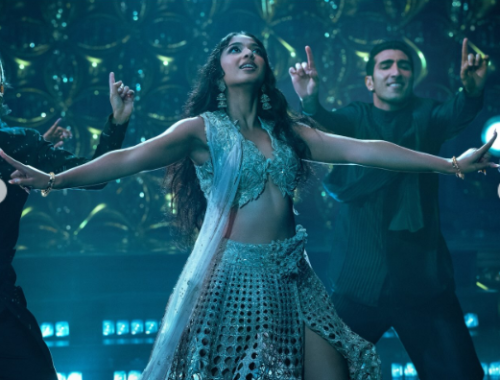
One of the experiences that had a strong emotional impact on Ramakrishnan was performing kuthu, the energetic dance style associated with Tamil culture. She became emotional while filming the sequence, recognizing that the moment could have a special meaning for Tamil audiences.
She imagined Tamil viewers from different generations watching the scene and seeing elements of their own culture reflected on screen.
For Ramakrishnan, that possibility carries personal significance because she understands the importance of seeing someone from her own community represented in a creative space.
Before becoming widely known through *Never Have I Ever*, Ramakrishnan was a high school student watching Hasan Minhaj’s *Patriot Act*. During one episode, she noticed the name of Prashanth Venkataramanujam, one of the people involved in creating the program.
She realized that he was Tamil, and the discovery stayed with her.
The moment represented a particularly specific form of representation. It was not simply about seeing a South Asian person on television. It was about recognizing someone from her own cultural background working behind the scenes on a major production.
Years later, Ramakrishnan finds herself on the other side of that experience.
She is now part of a production that brings aspects of Tamil culture to audiences through a major entertainment project. The cultural references are not limited to dialogue or character background but also appear through music, dance, family relationships and visual storytelling.
That makes the kuthu sequence particularly meaningful. For Ramakrishnan, it represents more than a performance; it creates an opportunity for viewers to recognize something familiar about themselves and their communities.
Her own identity has been shaped by the Tamil diaspora. Born and raised in Canada, Ramakrishnan is the daughter of Sri Lankan Tamil refugees who came to Canada during the country's civil war.
Her experience therefore exists across multiple cultural contexts. Canada is the country where she grew up, while Tamil language, family history, heritage and cultural traditions remain important parts of her identity.
Rather than treating those experiences as competing identities, Ramakrishnan has embraced both.
Her story also reflects a broader experience within diaspora communities, where younger generations may grow up away from their ancestral homeland while continuing to negotiate language, traditions and family history.
For some people, reconnecting with heritage can happen gradually rather than through a single experience. Language may take time to develop, traditions may be learned later and cultural understanding can evolve throughout adulthood.
Ramakrishnan's approach reflects that idea. She does not suggest that someone must perfectly reproduce every tradition to have a legitimate connection to their heritage.
Instead, her perspective places greater emphasis on belonging, family history and personal connection.
With *Best of the Best*, that message becomes part of her work as an actor. She is not simply contributing to broader South Asian representation; she is helping bring a more specific Tamil perspective into mainstream entertainment.
For Tamil viewers, particularly those who have grown up within the diaspora, that specificity can make representation feel more personal.
The film therefore gives Ramakrishnan an opportunity to create the kind of recognition she once experienced herself when she saw a Tamil name appear in the credits of a show she admired.
Her journey from watching that moment as a teenager to becoming part of a production that reflects her own heritage illustrates how representation can move from something audiences observe to something they actively create.
For Ramakrishnan, being Tamil does not require a perfect checklist of traditions. It is an identity shaped by family, history, experience and an ongoing connection to culture.
And through *Best of the Best*, she is bringing that connection to the screen in the hope that another young Tamil viewer might watch it and recognize a part of themselves.
Maitreyi Ramakrishnan has never been shy about embracing her Tamil heritage, and the *Never Have I Ever* star recently offered an unapologetic description of how deeply her cultural identity remains part of who she is.
During a conversation with Hasan Minhaj alongside her *Best of the Best* co-star Priyanka Kedia, Ramakrishnan spoke openly about her Tamil roots, her family history and the relationship she has developed with her culture while growing up in Canada.
For Ramakrishnan, being Tamil is not about perfectly following every cultural tradition or meeting a particular definition of what a Tamil person should look like or behave like. It is about understanding where she comes from, embracing her family and carrying that history with her.
The actor has described herself as a Tamil Eelam woman and said that her cultural identity has become even more meaningful as her career has developed. Rather than seeing her heritage as something separate from her professional life, she considers it an important part of the person she has become.
Ramakrishnan has also acknowledged that her relationship with Tamil culture is not defined by perfection. She has spoken about not following every traditional practice and continuing to work on her fluency in the Tamil language.
For her, however, those realities do not diminish her connection to her heritage. Cultural identity, she suggests, can remain meaningful even when a person’s upbringing takes place far from the community and country associated with that heritage.
That perspective becomes particularly significant in *Best of the Best*, where Tamil culture is incorporated into the film rather than appearing only as a background detail.
One of the experiences that had a strong emotional impact on Ramakrishnan was performing kuthu, the energetic dance style associated with Tamil culture. She became emotional while filming the sequence, recognizing that the moment could have a special meaning for Tamil audiences.
She imagined Tamil viewers from different generations watching the scene and seeing elements of their own culture reflected on screen.
For Ramakrishnan, that possibility carries personal significance because she understands the importance of seeing someone from her own community represented in a creative space.
Before becoming widely known through *Never Have I Ever*, Ramakrishnan was a high school student watching Hasan Minhaj’s *Patriot Act*. During one episode, she noticed the name of Prashanth Venkataramanujam, one of the people involved in creating the program.
She realized that he was Tamil, and the discovery stayed with her.
The moment represented a particularly specific form of representation. It was not simply about seeing a South Asian person on television. It was about recognizing someone from her own cultural background working behind the scenes on a major production.
Years later, Ramakrishnan finds herself on the other side of that experience.
She is now part of a production that brings aspects of Tamil culture to audiences through a major entertainment project. The cultural references are not limited to dialogue or character background but also appear through music, dance, family relationships and visual storytelling.
That makes the kuthu sequence particularly meaningful. For Ramakrishnan, it represents more than a performance; it creates an opportunity for viewers to recognize something familiar about themselves and their communities.
Her own identity has been shaped by the Tamil diaspora. Born and raised in Canada, Ramakrishnan is the daughter of Sri Lankan Tamil refugees who came to Canada during the country's civil war.
Her experience therefore exists across multiple cultural contexts. Canada is the country where she grew up, while Tamil language, family history, heritage and cultural traditions remain important parts of her identity.
Rather than treating those experiences as competing identities, Ramakrishnan has embraced both.
Her story also reflects a broader experience within diaspora communities, where younger generations may grow up away from their ancestral homeland while continuing to negotiate language, traditions and family history.
For some people, reconnecting with heritage can happen gradually rather than through a single experience. Language may take time to develop, traditions may be learned later and cultural understanding can evolve throughout adulthood.
Ramakrishnan's approach reflects that idea. She does not suggest that someone must perfectly reproduce every tradition to have a legitimate connection to their heritage.
Instead, her perspective places greater emphasis on belonging, family history and personal connection.
With *Best of the Best*, that message becomes part of her work as an actor. She is not simply contributing to broader South Asian representation; she is helping bring a more specific Tamil perspective into mainstream entertainment.
For Tamil viewers, particularly those who have grown up within the diaspora, that specificity can make representation feel more personal.
The film therefore gives Ramakrishnan an opportunity to create the kind of recognition she once experienced herself when she saw a Tamil name appear in the credits of a show she admired.
Her journey from watching that moment as a teenager to becoming part of a production that reflects her own heritage illustrates how representation can move from something audiences observe to something they actively create.
For Ramakrishnan, being Tamil does not require a perfect checklist of traditions. It is an identity shaped by family, history, experience and an ongoing connection to culture.
And through *Best of the Best*, she is bringing that connection to the screen in the hope that another young Tamil viewer might watch it and recognize a part of themselves.
Tags
news
Comments (0)
Login to post comments
No comments yet
Be the first to share your thoughts about this post.