News
General
5 views
Singapore to raise ministers’ salaries, including Prime Minister Lawrence Wong’s pay
Sep 09, 2026
📍 Phliadelphia,PA, USA
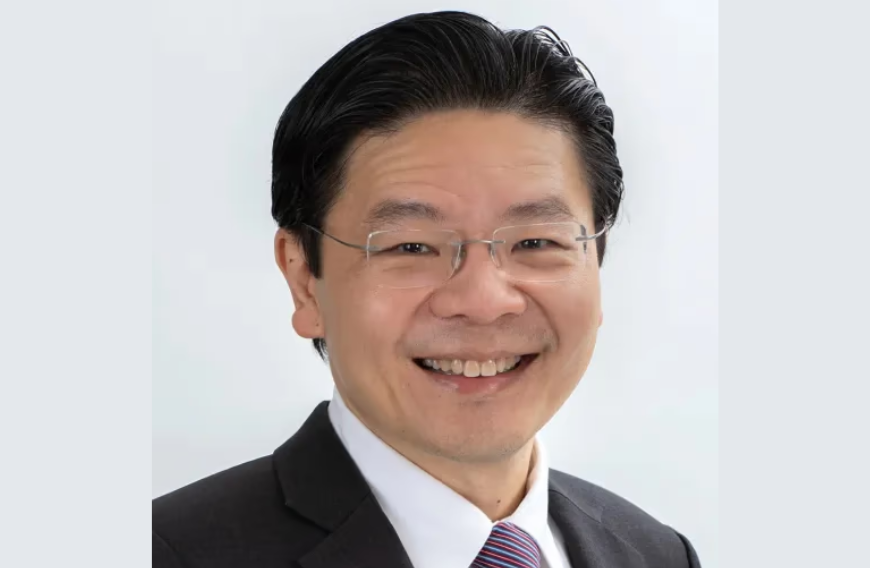
Singapore is preparing to increase the annual salaries of its ministers and other political officeholders, including Prime Minister Lawrence Wong, in a move that has sparked renewed debate over political pay and the cost of living.
Wong, who is already regarded as the world’s highest-paid political leader, is expected to receive an increase of about S$1.4 million in his annual compensation package.
The prime minister has said he will donate the additional income he receives from the increase to charity over the next five years.
The government has defended the proposed salary adjustments as necessary to attract and retain capable individuals for senior political positions.
Singapore has historically argued that competitive compensation helps ensure that political leadership can attract high-quality candidates and reduces incentives for corruption.
However, the latest proposal has generated criticism from some members of the public, particularly at a time when households continue to face concerns over living costs and employment security.
Addressing Parliament, Wong acknowledged that political salaries are a sensitive and emotionally charged issue in Singapore.
He said the size of the compensation packages naturally attracts public scrutiny because the amounts are significantly higher than what most citizens earn.
Wong argued that the broader question is whether Singapore can continue to attract the level of political leadership required to manage the country and serve its population effectively.
According to salary data cited by PoliticalSalaries.com, Wong remains the highest-paid political leader globally.
For comparison, the U.S. president receives an annual salary of $400,000, while the British prime minister earns approximately $230,000.
The chief executive of Hong Kong ranks among the highest-paid political leaders, with annual compensation of roughly $719,000, followed by the Swiss president at around $606,000.
Under the proposed changes, Singapore’s junior ministers could eventually earn as much as S$1.8 million annually, depending on their responsibilities and performance.
The increase will not immediately raise salaries to that maximum level.
Instead, officeholders will initially receive a one-time adjustment of up to 9%, followed by further changes linked to performance and responsibilities.
Wong said that by the end of the current government term, most junior ministers are expected to earn approximately S$1.35 million annually.
Those who perform strongly could potentially receive higher compensation.
The proposed changes come more than a decade after Singapore last reviewed ministerial salaries.
In 2012, ministers accepted a substantial reduction in pay following public criticism over the level of political compensation.
That adjustment reduced ministerial salaries by about 36% as the government responded to widespread concerns about the issue.
The latest proposal therefore represents a significant new chapter in Singapore’s long-running debate over how political leaders should be compensated.
Supporters argue that senior political positions require highly capable leaders and that competitive salaries can help Singapore remain attractive to experienced professionals.
Critics, however, question whether such substantial increases are appropriate while ordinary households continue to deal with economic pressures.
The proposal has also generated mixed reactions online, with some critics describing the move as poorly timed and disconnected from public concerns.
Others have argued that higher compensation could be justified if ministers deliver stronger results and effectively manage the country through difficult economic and social conditions.
Lawmakers are scheduled to debate the proposed salary changes in Parliament.
The discussion is expected to focus not only on the size of the increases but also on how Singapore should balance political competitiveness, accountability and public expectations.
Wong’s decision to donate his salary increase to charity may also shape the public response, although the broader policy will continue to attract scrutiny.
The debate ultimately reflects Singapore’s long-standing approach to political compensation and the government’s belief that attracting high-quality leadership requires competitive financial incentives.
Wong, who is already regarded as the world’s highest-paid political leader, is expected to receive an increase of about S$1.4 million in his annual compensation package.
The prime minister has said he will donate the additional income he receives from the increase to charity over the next five years.
The government has defended the proposed salary adjustments as necessary to attract and retain capable individuals for senior political positions.
Singapore has historically argued that competitive compensation helps ensure that political leadership can attract high-quality candidates and reduces incentives for corruption.
However, the latest proposal has generated criticism from some members of the public, particularly at a time when households continue to face concerns over living costs and employment security.
Addressing Parliament, Wong acknowledged that political salaries are a sensitive and emotionally charged issue in Singapore.
He said the size of the compensation packages naturally attracts public scrutiny because the amounts are significantly higher than what most citizens earn.
Wong argued that the broader question is whether Singapore can continue to attract the level of political leadership required to manage the country and serve its population effectively.
According to salary data cited by PoliticalSalaries.com, Wong remains the highest-paid political leader globally.
For comparison, the U.S. president receives an annual salary of $400,000, while the British prime minister earns approximately $230,000.
The chief executive of Hong Kong ranks among the highest-paid political leaders, with annual compensation of roughly $719,000, followed by the Swiss president at around $606,000.
Under the proposed changes, Singapore’s junior ministers could eventually earn as much as S$1.8 million annually, depending on their responsibilities and performance.
The increase will not immediately raise salaries to that maximum level.
Instead, officeholders will initially receive a one-time adjustment of up to 9%, followed by further changes linked to performance and responsibilities.
Wong said that by the end of the current government term, most junior ministers are expected to earn approximately S$1.35 million annually.
Those who perform strongly could potentially receive higher compensation.
The proposed changes come more than a decade after Singapore last reviewed ministerial salaries.
In 2012, ministers accepted a substantial reduction in pay following public criticism over the level of political compensation.
That adjustment reduced ministerial salaries by about 36% as the government responded to widespread concerns about the issue.
The latest proposal therefore represents a significant new chapter in Singapore’s long-running debate over how political leaders should be compensated.
Supporters argue that senior political positions require highly capable leaders and that competitive salaries can help Singapore remain attractive to experienced professionals.
Critics, however, question whether such substantial increases are appropriate while ordinary households continue to deal with economic pressures.
The proposal has also generated mixed reactions online, with some critics describing the move as poorly timed and disconnected from public concerns.
Others have argued that higher compensation could be justified if ministers deliver stronger results and effectively manage the country through difficult economic and social conditions.
Lawmakers are scheduled to debate the proposed salary changes in Parliament.
The discussion is expected to focus not only on the size of the increases but also on how Singapore should balance political competitiveness, accountability and public expectations.
Wong’s decision to donate his salary increase to charity may also shape the public response, although the broader policy will continue to attract scrutiny.
The debate ultimately reflects Singapore’s long-standing approach to political compensation and the government’s belief that attracting high-quality leadership requires competitive financial incentives.
Tags
news
Comments (0)
Login to post comments
No comments yet
Be the first to share your thoughts about this post.