News
General
2 views
Nvidia CEO Jensen Huang declares ‘AGI has arrived’ after OpenAI launches GPT-6 Astra
Sep 09, 2026
📍 Phliadelphia,PA, USA
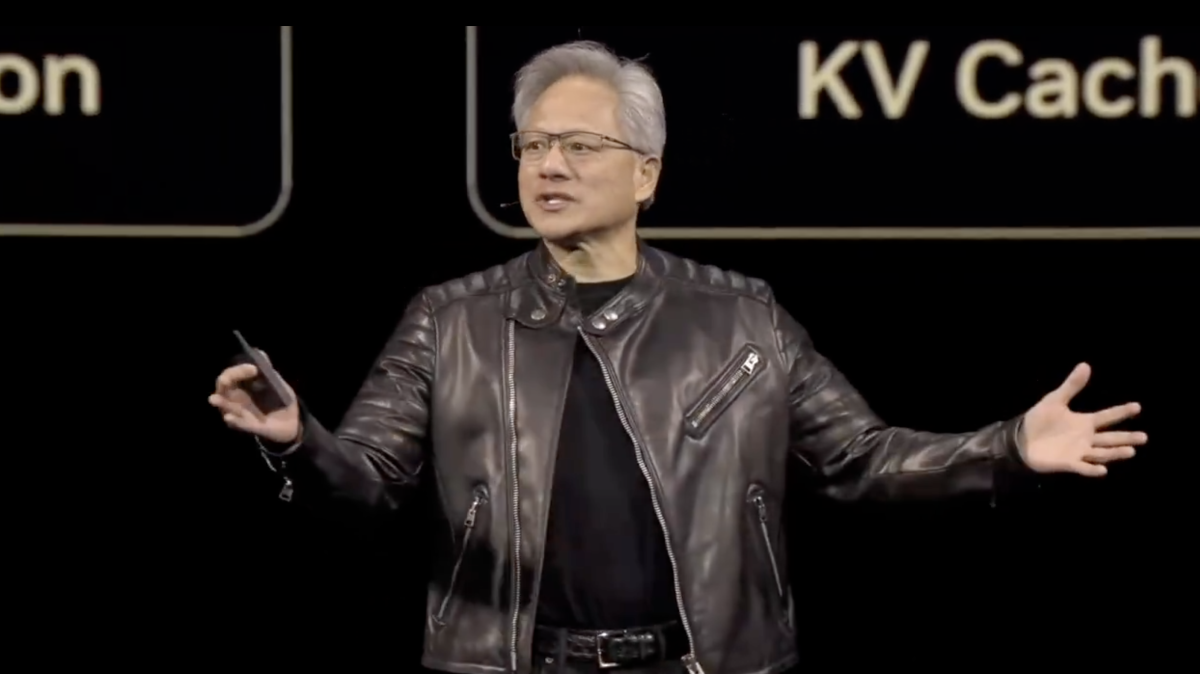
Nvidia CEO Jensen Huang has declared that artificial general intelligence (AGI) has arrived, following OpenAI’s launch of its latest AI model, GPT-6 Astra.
Huang made the statement on X while congratulating OpenAI on the release of Astra, highlighting the scale of computing infrastructure behind the new system.
According to Huang, Astra was trained using more than 100,000 Nvidia Grace Blackwell NVLink 72 systems, underscoring the enormous computing power required to develop advanced AI models.
He also said that another 400,000 Nvidia GPUs are expected to come online, pointing to continued expansion in AI infrastructure and computing capacity.
OpenAI introduced GPT-6 Astra last week as its newest and most capable artificial intelligence model.
OpenAI President Greg Brockman described the system as a “generational leap,” reflecting the company’s expectations for its capabilities and performance.
AGI generally refers to AI systems capable of handling a broad range of intellectual tasks rather than being designed for a single specialized function.
OpenAI’s charter defines AGI as autonomous systems capable of outperforming humans in most economically valuable work.
Astra is designed to operate with greater independence, allowing users to provide a goal and have the system complete multiple steps with limited human intervention.
The model can browse the internet, operate computers, use software applications, write code, conduct research and carry out complex tasks.
OpenAI also says Astra is better equipped to make decisions in situations where instructions are incomplete or require interpretation.
The company reported strong results for Astra in its OSWorld 2.0 evaluation, where the model completed tasks significantly faster than GPT-5.6 Sol.
Astra recorded a 72.6% success rate on the test while completing tasks in roughly 40 minutes on average.
By comparison, GPT-5.6 Sol took about 75 minutes to complete similar tasks, according to OpenAI’s reported results.
Despite Huang’s declaration, OpenAI has not officially classified GPT-6 Astra as AGI.
Brockman has described Astra as a potential early step toward achieving AGI, suggesting that the technology could represent progress toward broader autonomous intelligence.
OpenAI CEO Sam Altman, however, has questioned the usefulness of the AGI label, calling it largely an irrelevant marketing term.
The development also highlights the increasingly close relationship between OpenAI and Nvidia as demand for advanced AI computing continues to rise.
The two companies previously announced plans involving Nvidia’s support for at least 10 gigawatts of AI data-center capacity for OpenAI.
Nvidia had also discussed investing up to $100 billion in the initiative, although Huang later clarified that the figure was not a firm financial commitment.
The broader infrastructure plan subsequently faced delays as the companies adjusted their strategies.
In February, OpenAI announced a new $30 billion investment from Nvidia as part of a larger funding round.
OpenAI said the expanded partnership would include dedicated inference and training capacity based on Nvidia’s next-generation Vera Rubin systems.
The company said the new infrastructure would build on Nvidia Hopper and Blackwell systems already operating across major cloud and technology partners.
The expansion reflects the growing importance of large-scale computing infrastructure in developing and deploying increasingly capable AI systems.
Huang’s comments also signal Nvidia’s confidence in the pace at which AI capabilities are advancing across the industry.
Whether Astra meets the broader definition of AGI remains a matter of debate, particularly because there is no universally accepted technical standard for determining when AGI has been achieved.
Nevertheless, the launch represents another significant step in the race to develop AI systems capable of performing increasingly complex tasks with greater autonomy.
As OpenAI expands access to Astra through its Daybreak Access program, ChatGPT subscriptions, API and AWS, its real-world performance will likely provide a clearer indication of how close the industry is to the AGI milestone.
Huang made the statement on X while congratulating OpenAI on the release of Astra, highlighting the scale of computing infrastructure behind the new system.
According to Huang, Astra was trained using more than 100,000 Nvidia Grace Blackwell NVLink 72 systems, underscoring the enormous computing power required to develop advanced AI models.
He also said that another 400,000 Nvidia GPUs are expected to come online, pointing to continued expansion in AI infrastructure and computing capacity.
OpenAI introduced GPT-6 Astra last week as its newest and most capable artificial intelligence model.
OpenAI President Greg Brockman described the system as a “generational leap,” reflecting the company’s expectations for its capabilities and performance.
AGI generally refers to AI systems capable of handling a broad range of intellectual tasks rather than being designed for a single specialized function.
OpenAI’s charter defines AGI as autonomous systems capable of outperforming humans in most economically valuable work.
Astra is designed to operate with greater independence, allowing users to provide a goal and have the system complete multiple steps with limited human intervention.
The model can browse the internet, operate computers, use software applications, write code, conduct research and carry out complex tasks.
OpenAI also says Astra is better equipped to make decisions in situations where instructions are incomplete or require interpretation.
The company reported strong results for Astra in its OSWorld 2.0 evaluation, where the model completed tasks significantly faster than GPT-5.6 Sol.
Astra recorded a 72.6% success rate on the test while completing tasks in roughly 40 minutes on average.
By comparison, GPT-5.6 Sol took about 75 minutes to complete similar tasks, according to OpenAI’s reported results.
Despite Huang’s declaration, OpenAI has not officially classified GPT-6 Astra as AGI.
Brockman has described Astra as a potential early step toward achieving AGI, suggesting that the technology could represent progress toward broader autonomous intelligence.
OpenAI CEO Sam Altman, however, has questioned the usefulness of the AGI label, calling it largely an irrelevant marketing term.
The development also highlights the increasingly close relationship between OpenAI and Nvidia as demand for advanced AI computing continues to rise.
The two companies previously announced plans involving Nvidia’s support for at least 10 gigawatts of AI data-center capacity for OpenAI.
Nvidia had also discussed investing up to $100 billion in the initiative, although Huang later clarified that the figure was not a firm financial commitment.
The broader infrastructure plan subsequently faced delays as the companies adjusted their strategies.
In February, OpenAI announced a new $30 billion investment from Nvidia as part of a larger funding round.
OpenAI said the expanded partnership would include dedicated inference and training capacity based on Nvidia’s next-generation Vera Rubin systems.
The company said the new infrastructure would build on Nvidia Hopper and Blackwell systems already operating across major cloud and technology partners.
The expansion reflects the growing importance of large-scale computing infrastructure in developing and deploying increasingly capable AI systems.
Huang’s comments also signal Nvidia’s confidence in the pace at which AI capabilities are advancing across the industry.
Whether Astra meets the broader definition of AGI remains a matter of debate, particularly because there is no universally accepted technical standard for determining when AGI has been achieved.
Nevertheless, the launch represents another significant step in the race to develop AI systems capable of performing increasingly complex tasks with greater autonomy.
As OpenAI expands access to Astra through its Daybreak Access program, ChatGPT subscriptions, API and AWS, its real-world performance will likely provide a clearer indication of how close the industry is to the AGI milestone.
Tags
news
Comments (0)
Login to post comments
No comments yet
Be the first to share your thoughts about this post.