News
General
8 views
Abdul El-Sayed highlights Karnataka roots, criticizes Pakistan democracy
Sep 01, 2026
📍 Phliadelphia,PA, USA
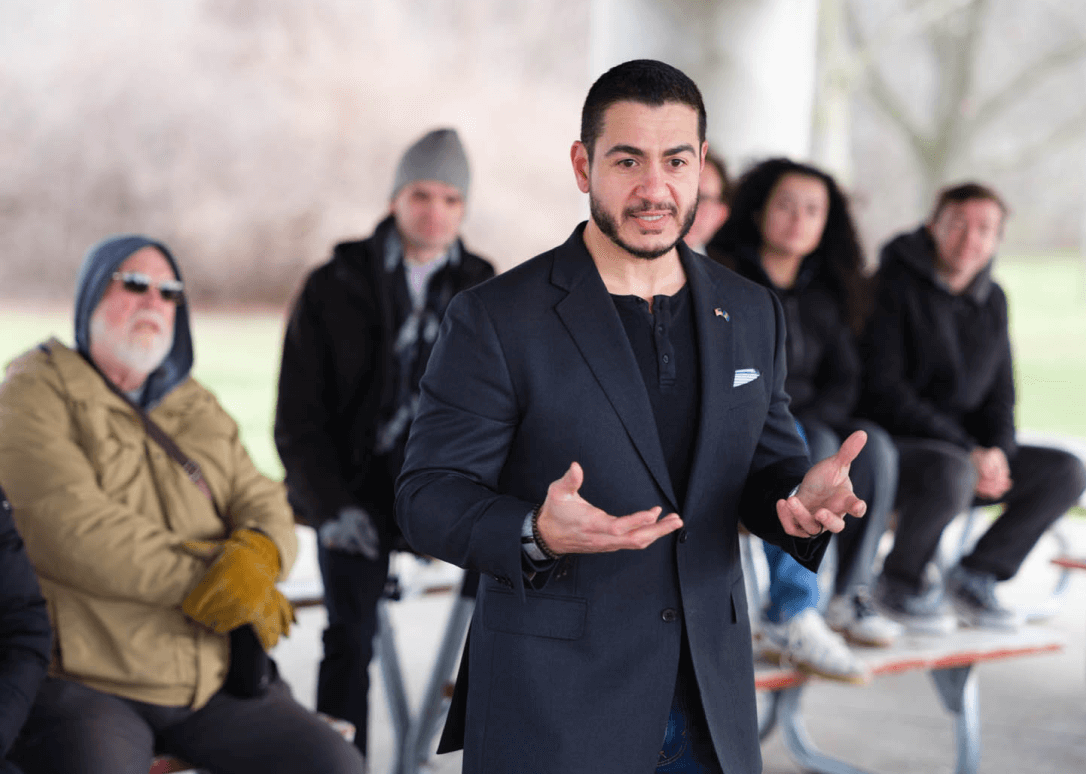
Michigan Democratic Senate nominee Abdul El-Sayed has drawn attention to his family’s Indian connection while speaking to Pakistani Americans about the importance of democratic participation and political freedom.
El-Sayed made the remarks at a Pakistan Independence Day event organized by the Pakistan Association of America in Michigan on August 23, where he discussed democracy, political participation and his own family background.
During the gathering, El-Sayed noted that his wife, Sarah Jukaku, is of Indian heritage and described her as being from the “other side of the partition line.”
Jukaku, a psychiatrist associated with University of Michigan Health, is the daughter of Indian immigrants whose family originated in India.
El-Sayed has previously written about his wife’s family history in his book *Healing Politics*, explaining that her parents came to the United States from an Indian village.
The couple met while studying at the University of Michigan, married in 2006 and have two daughters.
El-Sayed’s financial disclosures have also revealed a connection between his family and Bengaluru, with his wife owning a rental property in the Karnataka capital.
The property was previously reported with a value between $100,001 and $250,000, while a later disclosure also listed a rental property in Dubai.
El-Sayed has said the properties were inherited by his wife’s family.
While addressing the Pakistani American community, the Senate candidate shifted his focus toward Pakistan’s democratic system and the rights of political opponents.
Without directly naming former Pakistani Prime Minister Imran Khan, El-Sayed argued that democracy cannot function when political figures or their supporters face imprisonment or intimidation because of their political views.
He emphasized that citizens should be able to seek public office, express their opinions and participate in elections without fear of political retaliation.
El-Sayed also connected the issue to his own family history, noting that his parents immigrated to the United States from Egypt, which he characterized as lacking a democratic system.
He said his own opportunity to seek a U.S. Senate seat was possible because he was born in the United States and could participate fully in the country’s political system.
The remarks have gained additional significance following El-Sayed’s Democratic primary victory in Michigan, where he defeated Representative Haley Stevens and secured the party’s Senate nomination.
He is now set to face Republican candidate and former Representative Mike Rogers in the November general election.
If elected, El-Sayed would make history as the first Muslim elected to the U.S. Senate.
His campaign has emphasized healthcare, economic inequality and progressive policy priorities, while his views on Israel and the Gaza conflict have made him a prominent voice within the Democratic Party’s progressive movement.
His personal connection to an Indian American family has also added an unusual dimension to his outreach among Michigan’s diverse South Asian communities.
By speaking about both his wife’s Indian heritage and democratic freedoms in Pakistan, El-Sayed highlighted the intertwined histories and political experiences of immigrant communities across South Asia and the United States.
The Senate race is therefore unfolding against a broader backdrop of changing political identities, immigrant participation and growing representation of Muslim and South Asian Americans in U.S. politics.
El-Sayed made the remarks at a Pakistan Independence Day event organized by the Pakistan Association of America in Michigan on August 23, where he discussed democracy, political participation and his own family background.
During the gathering, El-Sayed noted that his wife, Sarah Jukaku, is of Indian heritage and described her as being from the “other side of the partition line.”
Jukaku, a psychiatrist associated with University of Michigan Health, is the daughter of Indian immigrants whose family originated in India.
El-Sayed has previously written about his wife’s family history in his book *Healing Politics*, explaining that her parents came to the United States from an Indian village.
The couple met while studying at the University of Michigan, married in 2006 and have two daughters.
El-Sayed’s financial disclosures have also revealed a connection between his family and Bengaluru, with his wife owning a rental property in the Karnataka capital.
The property was previously reported with a value between $100,001 and $250,000, while a later disclosure also listed a rental property in Dubai.
El-Sayed has said the properties were inherited by his wife’s family.
While addressing the Pakistani American community, the Senate candidate shifted his focus toward Pakistan’s democratic system and the rights of political opponents.
Without directly naming former Pakistani Prime Minister Imran Khan, El-Sayed argued that democracy cannot function when political figures or their supporters face imprisonment or intimidation because of their political views.
He emphasized that citizens should be able to seek public office, express their opinions and participate in elections without fear of political retaliation.
El-Sayed also connected the issue to his own family history, noting that his parents immigrated to the United States from Egypt, which he characterized as lacking a democratic system.
He said his own opportunity to seek a U.S. Senate seat was possible because he was born in the United States and could participate fully in the country’s political system.
The remarks have gained additional significance following El-Sayed’s Democratic primary victory in Michigan, where he defeated Representative Haley Stevens and secured the party’s Senate nomination.
He is now set to face Republican candidate and former Representative Mike Rogers in the November general election.
If elected, El-Sayed would make history as the first Muslim elected to the U.S. Senate.
His campaign has emphasized healthcare, economic inequality and progressive policy priorities, while his views on Israel and the Gaza conflict have made him a prominent voice within the Democratic Party’s progressive movement.
His personal connection to an Indian American family has also added an unusual dimension to his outreach among Michigan’s diverse South Asian communities.
By speaking about both his wife’s Indian heritage and democratic freedoms in Pakistan, El-Sayed highlighted the intertwined histories and political experiences of immigrant communities across South Asia and the United States.
The Senate race is therefore unfolding against a broader backdrop of changing political identities, immigrant participation and growing representation of Muslim and South Asian Americans in U.S. politics.
Tags
news
Comments (0)
Login to post comments
No comments yet
Be the first to share your thoughts about this post.