News
General
10 views
What happens when a famous chocolate name appears on a packet of chanachur?
Aug 19, 2026
📍 Philadelphia, PA, USA
# KIT KAT Trademark Battle Highlights the Value of a Strong Brand
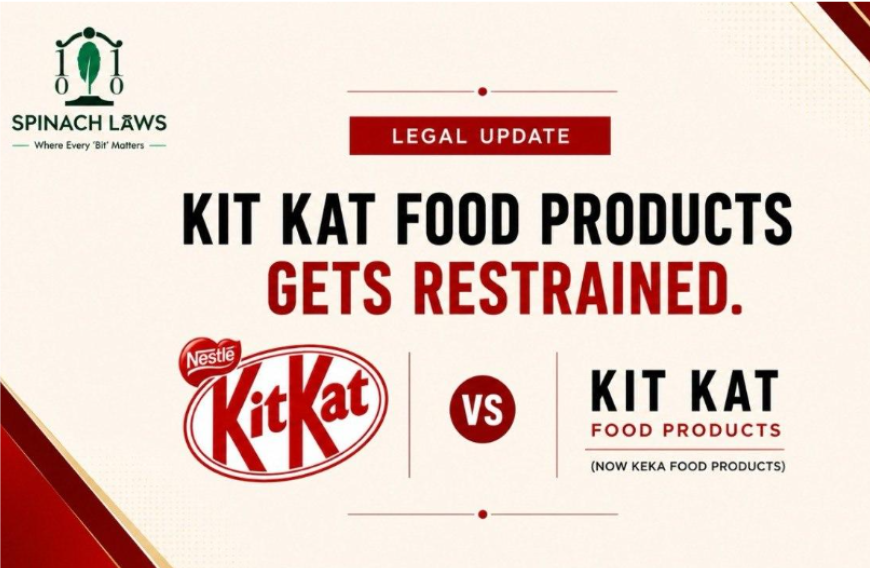
A Calcutta High Court ruling has highlighted how valuable a familiar brand name can become over time. The dispute involved Nestlé’s famous “KIT KAT” trademark and a Kolkata-based business called Kit Kat Food Products. Nestlé’s KitKat brand dates back to 1935, when the chocolate-covered wafer was originally sold in the UK as “Chocolate Crisp.” Over the years, the KIT KAT name gained strong recognition through consistent branding, advertising, product quality and consumer trust. The Kolkata partnership used the same name on packets of chanachur and other cereal-based snacks. The defendants argued that their products were different from Nestlé’s chocolate wafers and claimed that they had been using the name since 1991. They also relied on registrations covering their packaging and branding. Nestlé argued that trademark protection should not depend solely on whether two businesses sell identical products. The company maintained that consumers could believe the snacks were connected with, licensed by or approved by Nestlé. The Calcutta High Court agreed with Nestlé’s position and permanently restrained the defendants from using “KIT KAT” as a trademark, trade name or artistic work, including deceptively similar names. The Court considered Nestlé’s earlier use of the mark and the potential overlap between the businesses’ commercial channels. The case shows that courts can examine more than the physical differences between products. They may also consider who buys the products, where they are sold and whether consumers could assume that the businesses are connected. This can be particularly important in the food industry, where chocolates, snacks, ice creams and other packaged products may appear in the same stores and reach similar customers. The judgment also demonstrates that copyright protection for artwork or packaging does not automatically provide the right to use another company’s trademark. Trademark law protects the commercial identity through which consumers recognize the source of goods. For founders, the case offers a clear warning against choosing a name simply because it appears attractive or commercially useful. A proper trademark search should be conducted before investing in packaging, advertising and customer acquisition. Rebranding after building market recognition can be costly and disruptive. The dispute also reinforces the commercial value of a distinctive name. A strong brand is built through years of consistent use and consumer trust. Once that recognition is established, businesses may have significant legal grounds to prevent others from using confusingly similar branding. The KIT KAT case therefore serves as a reminder that brand protection should be considered from the earliest stage of building a business. For entrepreneurs, a unique name is not just a marketing asset but a valuable long-term business investment.
(Palak Devpura is co-founder of Spinach Laws, a startup-focused legal services firm advising founders on incorporation, brand protection and cross-border transactions. This column is part of the ongoing Spinach Laws × The American Bazaar series on law for founders.)
A Calcutta High Court ruling has highlighted how valuable a familiar brand name can become over time. The dispute involved Nestlé’s famous “KIT KAT” trademark and a Kolkata-based business called Kit Kat Food Products. Nestlé’s KitKat brand dates back to 1935, when the chocolate-covered wafer was originally sold in the UK as “Chocolate Crisp.” Over the years, the KIT KAT name gained strong recognition through consistent branding, advertising, product quality and consumer trust. The Kolkata partnership used the same name on packets of chanachur and other cereal-based snacks. The defendants argued that their products were different from Nestlé’s chocolate wafers and claimed that they had been using the name since 1991. They also relied on registrations covering their packaging and branding. Nestlé argued that trademark protection should not depend solely on whether two businesses sell identical products. The company maintained that consumers could believe the snacks were connected with, licensed by or approved by Nestlé. The Calcutta High Court agreed with Nestlé’s position and permanently restrained the defendants from using “KIT KAT” as a trademark, trade name or artistic work, including deceptively similar names. The Court considered Nestlé’s earlier use of the mark and the potential overlap between the businesses’ commercial channels. The case shows that courts can examine more than the physical differences between products. They may also consider who buys the products, where they are sold and whether consumers could assume that the businesses are connected. This can be particularly important in the food industry, where chocolates, snacks, ice creams and other packaged products may appear in the same stores and reach similar customers. The judgment also demonstrates that copyright protection for artwork or packaging does not automatically provide the right to use another company’s trademark. Trademark law protects the commercial identity through which consumers recognize the source of goods. For founders, the case offers a clear warning against choosing a name simply because it appears attractive or commercially useful. A proper trademark search should be conducted before investing in packaging, advertising and customer acquisition. Rebranding after building market recognition can be costly and disruptive. The dispute also reinforces the commercial value of a distinctive name. A strong brand is built through years of consistent use and consumer trust. Once that recognition is established, businesses may have significant legal grounds to prevent others from using confusingly similar branding. The KIT KAT case therefore serves as a reminder that brand protection should be considered from the earliest stage of building a business. For entrepreneurs, a unique name is not just a marketing asset but a valuable long-term business investment.
(Palak Devpura is co-founder of Spinach Laws, a startup-focused legal services firm advising founders on incorporation, brand protection and cross-border transactions. This column is part of the ongoing Spinach Laws × The American Bazaar series on law for founders.)
Tags
news
Comments (0)
Login to post comments
No comments yet
Be the first to share your thoughts about this post.