News
General
118 views
US seeks permanent English rule for commercial truckers
Aug 10, 2026
📍 Philadelphia, PA, USA
### U.S. Moves to Make English Proficiency Rules for Truck Drivers Permanent
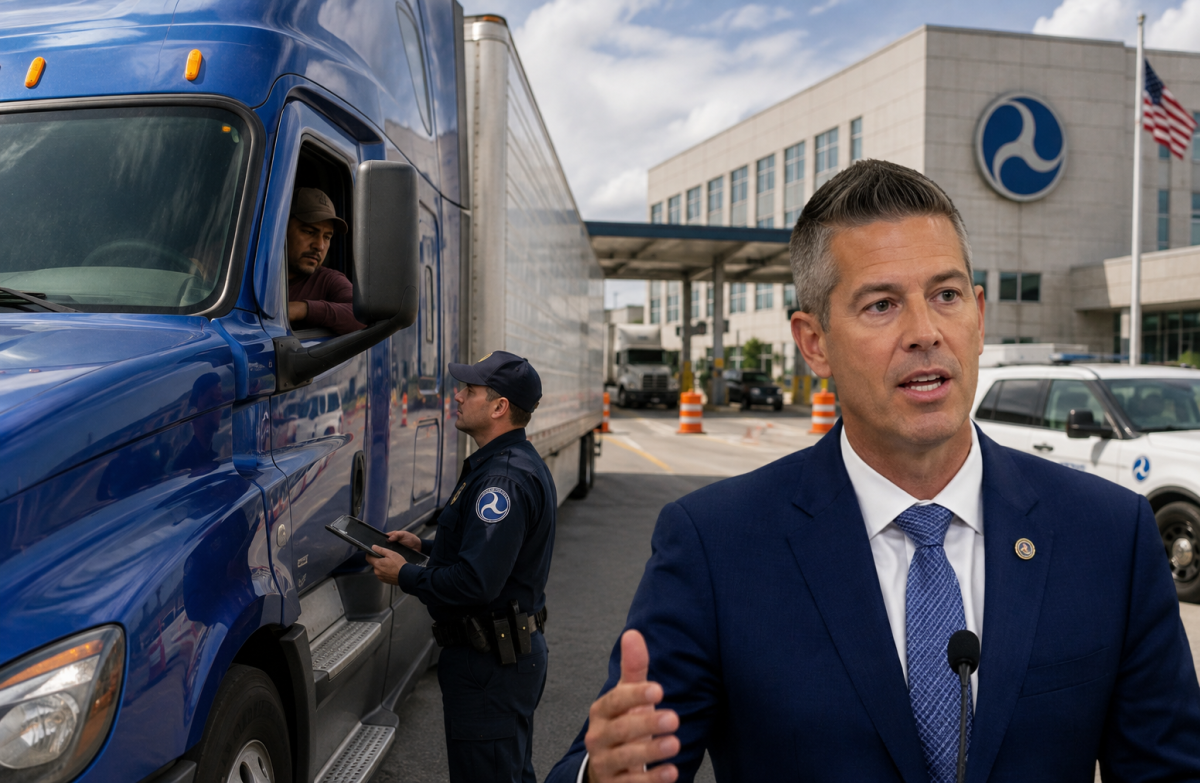
U.S. Transportation Secretary Sean Duffy is seeking to make federal English-language proficiency requirements for commercial truck drivers a permanent part of transportation regulations, arguing that the rules should not be easily reversed by future administrations. Duffy announced the proposal on social media, saying the government wants to formally place the English proficiency standards into federal regulations.
The move builds on the Trump administration’s broader campaign to strengthen enforcement of existing requirements governing commercial motor vehicle drivers across the United States. Federal law already requires commercial drivers to demonstrate sufficient ability to read and speak English so they can communicate with the public, understand highway traffic signs and signals, respond to official inquiries and complete required reports and records. The administration has increased enforcement of those requirements since 2025, reversing a policy adopted during the Obama administration that had directed inspectors not to remove drivers from service solely because of English-proficiency violations.
Duffy has said that more than 26,000 commercial drivers have already been taken off the road for failing to demonstrate the required level of English proficiency. The Transportation Department has presented the enforcement campaign primarily as a road safety measure, emphasizing that truck drivers must be able to understand signs, communicate with law enforcement officers and respond appropriately during inspections or emergencies. The latest proposal would take the policy a step further by attempting to establish the English-language requirement more firmly within federal regulations rather than relying largely on enforcement guidance that could be changed by a future administration.
The proposal is part of a larger effort by the Trump administration to tighten standards surrounding commercial driver qualifications. Federal officials have also introduced restrictions affecting non-domiciled commercial learner’s permits and commercial driver’s licenses issued to certain foreign-domiciled individuals. The administration has argued that stronger eligibility and verification standards are necessary to ensure that commercial drivers operating on U.S. roads meet federal requirements.
The Transportation Department has also taken action against commercial licenses it says were improperly issued, with officials reporting that roughly 30,000 commercial licenses were canceled as part of the broader crackdown. These measures have generated significant attention because immigrant workers represent an important portion of the U.S. trucking workforce. Advocacy organizations have raised concerns that stricter enforcement of language requirements and new restrictions on non-domiciled commercial licenses could disproportionately affect immigrant drivers.
Some of the administration’s policies have already faced criticism and legal challenges from groups representing immigrant communities and trucking workers. Federal officials, however, maintain that the rules are based on safety and driver qualifications rather than nationality. Duffy has repeatedly argued that English proficiency is essential because commercial truck drivers operate large and potentially dangerous vehicles across interstate highways and must be capable of understanding instructions quickly.
The administration believes drivers who cannot effectively communicate with inspectors, police officers or emergency personnel could face additional safety risks during routine operations or emergencies. Supporters of the proposal are likely to view permanent regulations as a way to create consistent standards across the trucking industry and prevent significant policy changes when presidential administrations change. Critics may argue that enforcement must be carefully balanced with the realities of a workforce that includes drivers from diverse linguistic backgrounds.
The proposal also highlights the continuing debate over how federal transportation rules should address driver safety, immigration status and employment qualifications. If adopted, the new regulations could make English proficiency a more firmly established requirement for commercial drivers nationwide. Duffy’s announcement signals that the administration wants the policy to remain in place for the long term, making it more difficult for future administrations to reverse through changes in enforcement policy alone.
U.S. Transportation Secretary Sean Duffy is seeking to make federal English-language proficiency requirements for commercial truck drivers a permanent part of transportation regulations, arguing that the rules should not be easily reversed by future administrations. Duffy announced the proposal on social media, saying the government wants to formally place the English proficiency standards into federal regulations.
The move builds on the Trump administration’s broader campaign to strengthen enforcement of existing requirements governing commercial motor vehicle drivers across the United States. Federal law already requires commercial drivers to demonstrate sufficient ability to read and speak English so they can communicate with the public, understand highway traffic signs and signals, respond to official inquiries and complete required reports and records. The administration has increased enforcement of those requirements since 2025, reversing a policy adopted during the Obama administration that had directed inspectors not to remove drivers from service solely because of English-proficiency violations.
Duffy has said that more than 26,000 commercial drivers have already been taken off the road for failing to demonstrate the required level of English proficiency. The Transportation Department has presented the enforcement campaign primarily as a road safety measure, emphasizing that truck drivers must be able to understand signs, communicate with law enforcement officers and respond appropriately during inspections or emergencies. The latest proposal would take the policy a step further by attempting to establish the English-language requirement more firmly within federal regulations rather than relying largely on enforcement guidance that could be changed by a future administration.
The proposal is part of a larger effort by the Trump administration to tighten standards surrounding commercial driver qualifications. Federal officials have also introduced restrictions affecting non-domiciled commercial learner’s permits and commercial driver’s licenses issued to certain foreign-domiciled individuals. The administration has argued that stronger eligibility and verification standards are necessary to ensure that commercial drivers operating on U.S. roads meet federal requirements.
The Transportation Department has also taken action against commercial licenses it says were improperly issued, with officials reporting that roughly 30,000 commercial licenses were canceled as part of the broader crackdown. These measures have generated significant attention because immigrant workers represent an important portion of the U.S. trucking workforce. Advocacy organizations have raised concerns that stricter enforcement of language requirements and new restrictions on non-domiciled commercial licenses could disproportionately affect immigrant drivers.
Some of the administration’s policies have already faced criticism and legal challenges from groups representing immigrant communities and trucking workers. Federal officials, however, maintain that the rules are based on safety and driver qualifications rather than nationality. Duffy has repeatedly argued that English proficiency is essential because commercial truck drivers operate large and potentially dangerous vehicles across interstate highways and must be capable of understanding instructions quickly.
The administration believes drivers who cannot effectively communicate with inspectors, police officers or emergency personnel could face additional safety risks during routine operations or emergencies. Supporters of the proposal are likely to view permanent regulations as a way to create consistent standards across the trucking industry and prevent significant policy changes when presidential administrations change. Critics may argue that enforcement must be carefully balanced with the realities of a workforce that includes drivers from diverse linguistic backgrounds.
The proposal also highlights the continuing debate over how federal transportation rules should address driver safety, immigration status and employment qualifications. If adopted, the new regulations could make English proficiency a more firmly established requirement for commercial drivers nationwide. Duffy’s announcement signals that the administration wants the policy to remain in place for the long term, making it more difficult for future administrations to reverse through changes in enforcement policy alone.
Tags
news
Comments (0)
Login to post comments
No comments yet
Be the first to share your thoughts about this post.