News
General
34 views
Abdul El-Sayed’s Michigan win ignites a new debate inside the Democratic Party
Aug 06, 2026
📍 Philadelphia, PA, USA
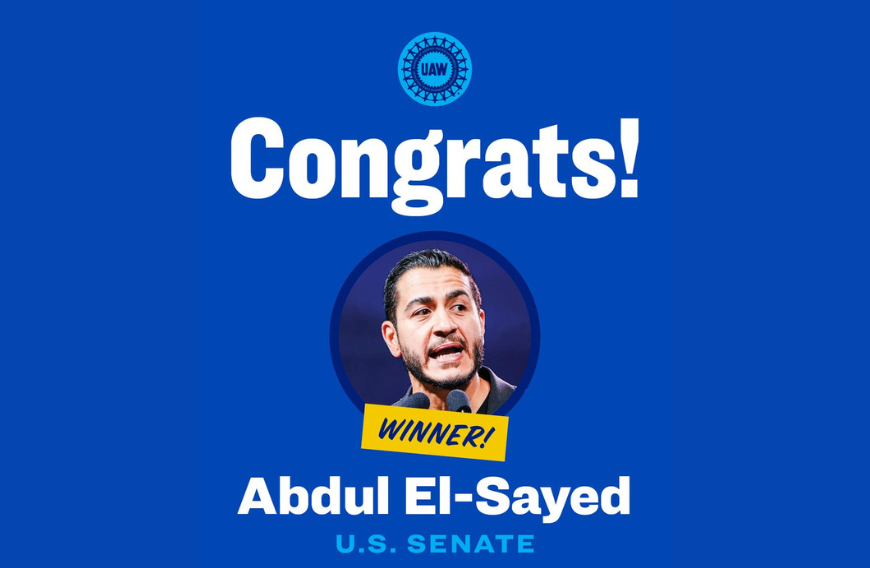
Dr. Abdul El-Sayed secured a narrow but significant victory in Michigan’s Democratic Senate primary, defeating Rep. Haley Stevens despite her backing from several prominent Democratic leaders. The outcome is being viewed by many political observers as a sign of growing support for progressive candidates who prioritize working-class issues and campaign finance reform over traditional establishment politics.
El-Sayed’s campaign centered on reducing the influence of corporate money in politics, expanding economic opportunities, and advocating for policies that directly benefit working families. His message resonated with many Democratic primary voters, particularly younger and more progressive constituents seeking a new direction for the party.
Following the primary, Michigan Gov. Gretchen Whitmer endorsed El-Sayed for the general election, joining other Democratic leaders in rallying behind the party’s nominee. The endorsement signals an effort to unify Democrats ahead of November despite the competitive primary contest.
The race also highlighted the increasing influence of grassroots movements within the Democratic Party. Political analysts say El-Sayed’s victory reflects a broader shift toward candidates who emphasize economic fairness, campaign finance reform, and greater accountability to voters rather than major political donors.
Foreign policy also emerged as a major issue during the campaign. El-Sayed criticized outside political spending, including support from pro-Israel advocacy groups for his opponent, while Stevens argued her campaign remained focused on lowering costs and improving opportunities for Michigan residents. The debate underscored growing divisions within the Democratic Party over both domestic priorities and international policy.
Supporters believe the election demonstrates that younger voters are playing an increasingly influential role in shaping Democratic politics. Many see the result as evidence that grassroots organizing and community-focused campaigns can compete successfully against well-funded establishment candidates.
Political strategist Parag V. Mehta described the victory as another example of Democratic voters demanding leadership that prioritizes working families over special interests. Former New Jersey legislator Sadaf Jaffer similarly argued that voters are seeking candidates who represent public interests rather than donor influence.
Observers also note that El-Sayed’s success fits into a broader national trend of progressive Democrats gaining momentum in state and local elections across the country. Whether this represents a lasting ideological shift within the Democratic Party will likely become clearer in the months leading up to the general election.
El-Sayed’s campaign centered on reducing the influence of corporate money in politics, expanding economic opportunities, and advocating for policies that directly benefit working families. His message resonated with many Democratic primary voters, particularly younger and more progressive constituents seeking a new direction for the party.
Following the primary, Michigan Gov. Gretchen Whitmer endorsed El-Sayed for the general election, joining other Democratic leaders in rallying behind the party’s nominee. The endorsement signals an effort to unify Democrats ahead of November despite the competitive primary contest.
The race also highlighted the increasing influence of grassroots movements within the Democratic Party. Political analysts say El-Sayed’s victory reflects a broader shift toward candidates who emphasize economic fairness, campaign finance reform, and greater accountability to voters rather than major political donors.
Foreign policy also emerged as a major issue during the campaign. El-Sayed criticized outside political spending, including support from pro-Israel advocacy groups for his opponent, while Stevens argued her campaign remained focused on lowering costs and improving opportunities for Michigan residents. The debate underscored growing divisions within the Democratic Party over both domestic priorities and international policy.
Supporters believe the election demonstrates that younger voters are playing an increasingly influential role in shaping Democratic politics. Many see the result as evidence that grassroots organizing and community-focused campaigns can compete successfully against well-funded establishment candidates.
Political strategist Parag V. Mehta described the victory as another example of Democratic voters demanding leadership that prioritizes working families over special interests. Former New Jersey legislator Sadaf Jaffer similarly argued that voters are seeking candidates who represent public interests rather than donor influence.
Observers also note that El-Sayed’s success fits into a broader national trend of progressive Democrats gaining momentum in state and local elections across the country. Whether this represents a lasting ideological shift within the Democratic Party will likely become clearer in the months leading up to the general election.
Tags
news
Comments (0)
Login to post comments
No comments yet
Be the first to share your thoughts about this post.