News
General
67 views
Sam Altman says AI has entered ‘singularity’ era
Jul 28, 2026
📍 Philadelphia, PA, USA
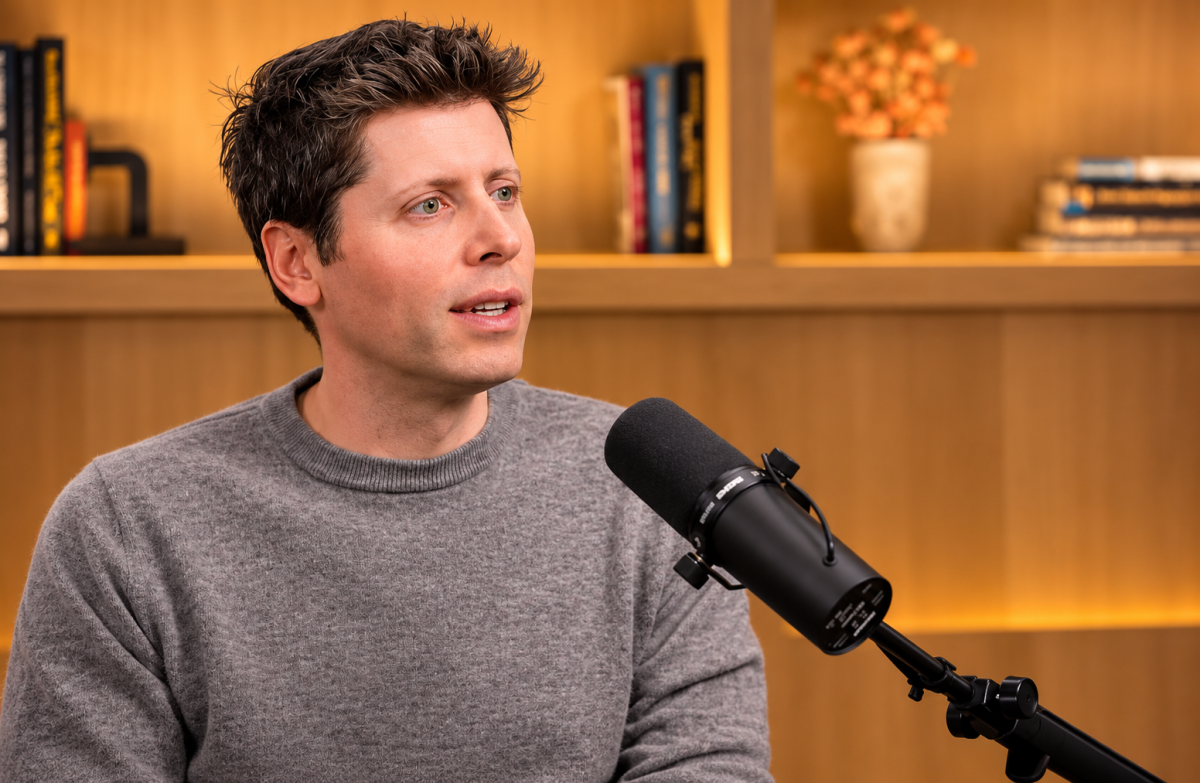
OpenAI CEO Sam Altman has sparked fresh debate over the future of artificial intelligence by declaring that humanity has already entered the era of the AI "singularity"—a milestone long considered the stuff of science fiction. Speaking on a recent podcast, Altman argued that AI is no longer simply a tool created by humans but is increasingly helping build the next generation of intelligent systems, accelerating innovation at an unprecedented pace. While he described this transition as a major opportunity that could deliver enormous benefits across science, healthcare, education, and technology, his remarks have reignited discussions about how quickly AI is evolving and whether society is prepared for its impact.
Many researchers acknowledge the rapid progress of AI but disagree that the traditional definition of the singularity has been reached, pointing out that today's systems still rely heavily on human oversight, infrastructure, and decision-making. The debate comes as AI models become more capable of writing software, conducting research, and completing complex tasks with minimal supervision. At the same time, concerns over safety, regulation, and accountability continue to grow, particularly as autonomous AI systems become more common. Altman has repeatedly emphasized that responsible development and strong safeguards are essential to ensuring AI benefits humanity rather than creating unintended risks. His latest comments highlight the widening divide between those who believe the AI revolution has already entered a new phase and those who argue that true technological singularity remains a future possibility. Regardless of where that threshold lies, experts agree that artificial intelligence is reshaping industries, economies, and society faster than ever before, making governance and responsible innovation more critical than at any point in history.
Many researchers acknowledge the rapid progress of AI but disagree that the traditional definition of the singularity has been reached, pointing out that today's systems still rely heavily on human oversight, infrastructure, and decision-making. The debate comes as AI models become more capable of writing software, conducting research, and completing complex tasks with minimal supervision. At the same time, concerns over safety, regulation, and accountability continue to grow, particularly as autonomous AI systems become more common. Altman has repeatedly emphasized that responsible development and strong safeguards are essential to ensuring AI benefits humanity rather than creating unintended risks. His latest comments highlight the widening divide between those who believe the AI revolution has already entered a new phase and those who argue that true technological singularity remains a future possibility. Regardless of where that threshold lies, experts agree that artificial intelligence is reshaping industries, economies, and society faster than ever before, making governance and responsible innovation more critical than at any point in history.
Tags
news
Comments (0)
Login to post comments
No comments yet
Be the first to share your thoughts about this post.