News
General
33 views
SpaceX launches Starship in first test since record IPO
Jul 27, 2026
📍 Philadelphia, PA, USA
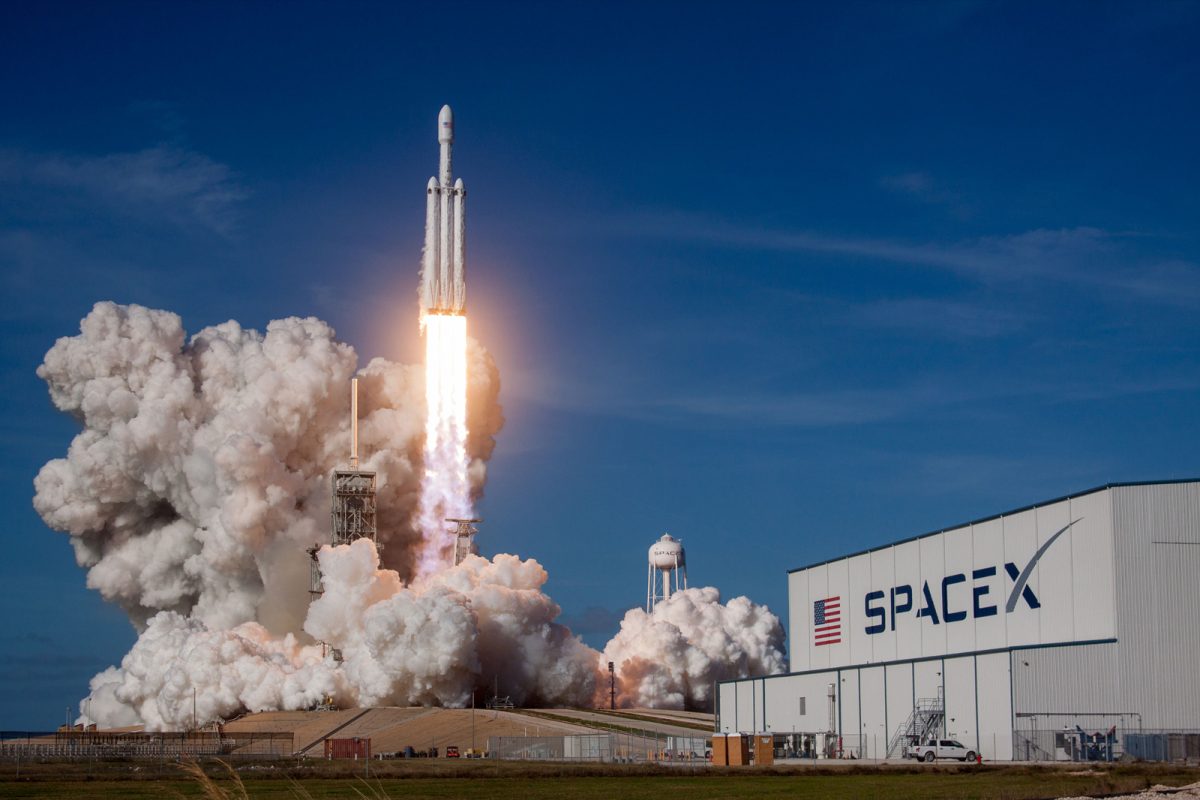
SpaceX successfully launched its Starship rocket on its 13th test flight from the Starbase facility in South Texas, marking the company’s first major mission since its historic public listing. The launch represents another milestone in SpaceX’s effort to transform Starship into a fully reusable spacecraft capable of supporting commercial missions, lunar exploration, and future journeys to Mars.
During the mission, the massive launch system deployed 20 upgraded Starlink V3 satellites into a planned suborbital trajectory. The satellites briefly connected with SpaceX’s growing Starlink network before re-entering Earth’s atmosphere as part of the planned test, allowing engineers to evaluate the performance of the next-generation satellite technology.
Following liftoff, the Super Heavy booster separated successfully from the upper-stage spacecraft and completed a controlled splashdown in the Gulf of Mexico. Meanwhile, the Starship vehicle continued along its flight path toward a planned landing in the Indian Ocean, providing valuable data for future missions.
The successful launch follows an earlier setback when a planned test was postponed after several engines failed to ignite during countdown. SpaceX has continued refining the vehicle through an iterative testing approach, using every flight to improve reliability, safety, and recovery systems.
The mission has attracted significant attention from investors after SpaceX’s record-breaking IPO, with Starship viewed as a key driver of the company’s long-term growth. Beyond supporting the expanding Starlink satellite network, the spacecraft is expected to play a major role in NASA’s Artemis lunar program and Elon Musk’s vision of enabling human missions to Mars.
As SpaceX moves toward more frequent launches, the latest test highlights steady progress in developing a reusable launch system designed to lower the cost of space transportation and expand access to space for future scientific, commercial, and exploration missions.
During the mission, the massive launch system deployed 20 upgraded Starlink V3 satellites into a planned suborbital trajectory. The satellites briefly connected with SpaceX’s growing Starlink network before re-entering Earth’s atmosphere as part of the planned test, allowing engineers to evaluate the performance of the next-generation satellite technology.
Following liftoff, the Super Heavy booster separated successfully from the upper-stage spacecraft and completed a controlled splashdown in the Gulf of Mexico. Meanwhile, the Starship vehicle continued along its flight path toward a planned landing in the Indian Ocean, providing valuable data for future missions.
The successful launch follows an earlier setback when a planned test was postponed after several engines failed to ignite during countdown. SpaceX has continued refining the vehicle through an iterative testing approach, using every flight to improve reliability, safety, and recovery systems.
The mission has attracted significant attention from investors after SpaceX’s record-breaking IPO, with Starship viewed as a key driver of the company’s long-term growth. Beyond supporting the expanding Starlink satellite network, the spacecraft is expected to play a major role in NASA’s Artemis lunar program and Elon Musk’s vision of enabling human missions to Mars.
As SpaceX moves toward more frequent launches, the latest test highlights steady progress in developing a reusable launch system designed to lower the cost of space transportation and expand access to space for future scientific, commercial, and exploration missions.
Tags
news
Comments (0)
Login to post comments
No comments yet
Be the first to share your thoughts about this post.