News
General
7 views
Indian government orders Github to block Jack Dorsey’s Bitchat amid Delhi protests
Jul 24, 2026
📍 Philadelphia, PA, USA
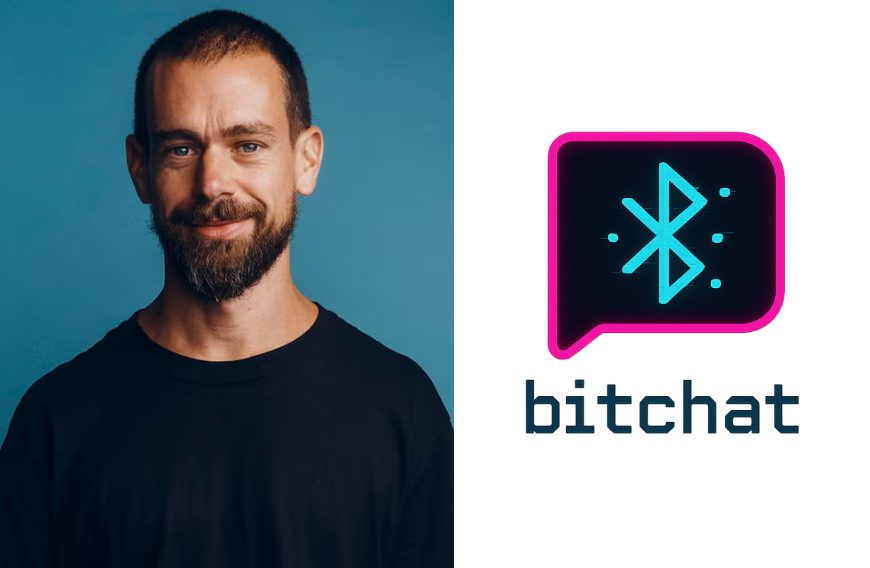
The Indian government has instructed GitHub to remove repositories hosting Bitchat, the decentralized Bluetooth messaging app created by Twitter co-founder Jack Dorsey, citing concerns over national security and law enforcement challenges. The directive comes amid ongoing protests in Delhi, where authorities believe offline messaging applications are being used after mobile internet services were suspended in parts of the city.
Jack Dorsey publicly shared the government notice on X, stating that authorities wanted Bitchat removed from GitHub. The order, issued under the Information Technology Act, 2000, and the Information Technology (Intermediary Guidelines and Digital Media Ethics Code) Rules, 2021, directs GitHub to block access to multiple Bitchat repositories, including its primary source code and Android version.
According to the government, Bitchat enables encrypted peer-to-peer communication over Bluetooth mesh networks without relying on mobile networks, Wi-Fi, or centralized servers. Officials argue that such technology makes it difficult for law enforcement agencies to monitor communications, identify users, or investigate unlawful activities.
The notice further claims that decentralized communication platforms could potentially be misused to organize illegal gatherings, spread misinformation, encourage criminal activities, or threaten public order and national security. These concerns formed the basis for the government's request to restrict access to the app's source code.
The decision has triggered criticism from digital rights advocates. The Internet Freedom Foundation (IFF) condemned the move, arguing that blocking access to open-source software undermines digital freedoms and raises serious constitutional concerns. The organization described the action as an excessive restriction on access to publicly available technology.
Launched last year, Bitchat was designed as an internet-free messaging platform that allows nearby devices to exchange encrypted messages using Bluetooth Low Energy (BLE). As more users join the network, messages can travel across multiple devices without passing through telecom infrastructure or centralized servers. The controversy has reignited discussions around the balance between national security, privacy, and the future of decentralized communication technologies.
Jack Dorsey publicly shared the government notice on X, stating that authorities wanted Bitchat removed from GitHub. The order, issued under the Information Technology Act, 2000, and the Information Technology (Intermediary Guidelines and Digital Media Ethics Code) Rules, 2021, directs GitHub to block access to multiple Bitchat repositories, including its primary source code and Android version.
According to the government, Bitchat enables encrypted peer-to-peer communication over Bluetooth mesh networks without relying on mobile networks, Wi-Fi, or centralized servers. Officials argue that such technology makes it difficult for law enforcement agencies to monitor communications, identify users, or investigate unlawful activities.
The notice further claims that decentralized communication platforms could potentially be misused to organize illegal gatherings, spread misinformation, encourage criminal activities, or threaten public order and national security. These concerns formed the basis for the government's request to restrict access to the app's source code.
The decision has triggered criticism from digital rights advocates. The Internet Freedom Foundation (IFF) condemned the move, arguing that blocking access to open-source software undermines digital freedoms and raises serious constitutional concerns. The organization described the action as an excessive restriction on access to publicly available technology.
Launched last year, Bitchat was designed as an internet-free messaging platform that allows nearby devices to exchange encrypted messages using Bluetooth Low Energy (BLE). As more users join the network, messages can travel across multiple devices without passing through telecom infrastructure or centralized servers. The controversy has reignited discussions around the balance between national security, privacy, and the future of decentralized communication technologies.
Tags
news
Comments (0)
Login to post comments
No comments yet
Be the first to share your thoughts about this post.