News
General
66 views
Nvidia CEO says the US has nothing to fear from China’s open-source AI models
Jul 24, 2026
📍 Philadelphia, PA, USA
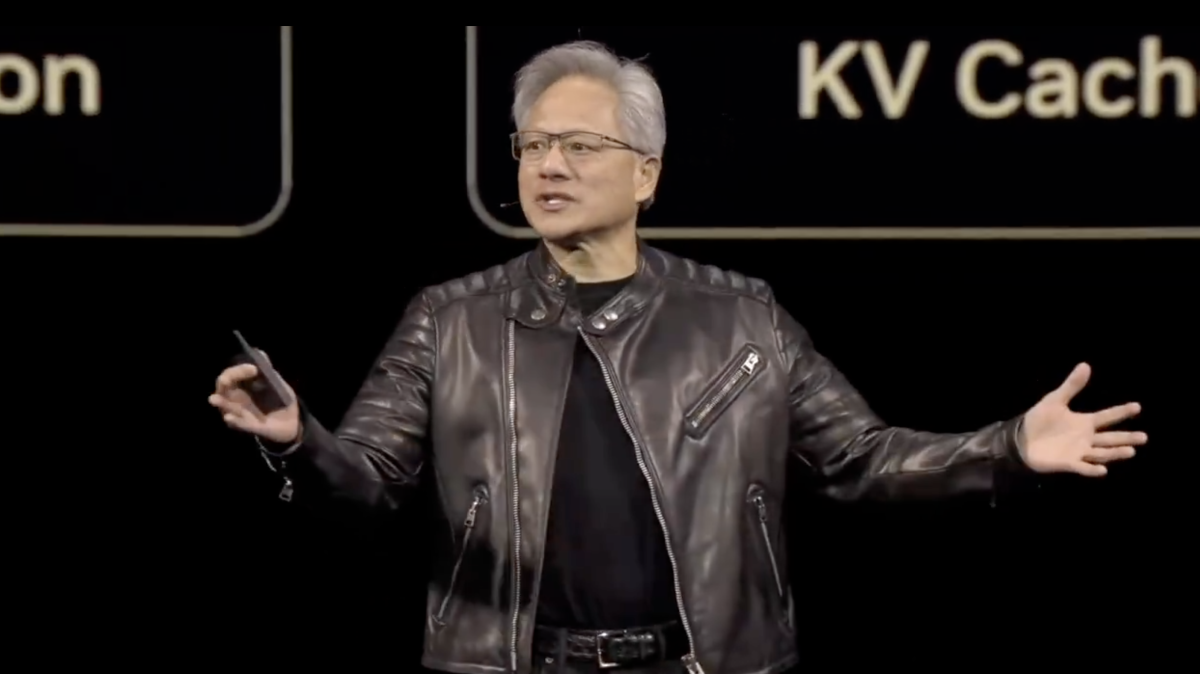
Nvidia CEO Jensen Huang has pushed back against growing concerns over China's rapidly advancing open-source artificial intelligence models, arguing that innovation should not be feared simply because of its origin. Speaking in an exclusive interview with Axios, Huang described Chinese AI models as "excellent" and said that high-quality open-source technology benefits the entire AI ecosystem by making advanced tools more widely accessible.
His remarks come at a time when U.S. policymakers and AI companies are debating whether Chinese-developed AI systems pose a strategic risk. Several American AI leaders have warned that China’s progress could challenge the United States' leadership in artificial intelligence, while officials have explored measures to limit the use of Chinese models.
Huang, however, dismissed the idea that open-source AI threatens American companies. He believes that freely available models introduce millions of new users to AI, ultimately increasing demand for premium AI services, cloud infrastructure, and advanced computing hardware. According to Huang, businesses will continue paying for reliable, secure, and high-performance AI platforms even as open-source alternatives expand.
The discussion gained momentum after Beijing-based Moonshot AI unveiled Kimi K3, a powerful open-weight AI model designed for coding and autonomous task execution. The model impressed the AI community with strong benchmark performance but also sparked scrutiny in Washington, where officials accused the company of relying on AI distillation techniques to replicate proprietary U.S. technology.
Despite these concerns, Huang argued that open AI models can actually strengthen security. He explained that organizations can deploy downloaded models within secure environments, customize them for their needs, and prevent unauthorized access. He also emphasized that transparency allows researchers worldwide to identify weaknesses, improve defenses, and make AI systems safer over time.
Huang further warned against concentrating AI development around a handful of closed models, saying such an approach could create a single point of failure. Instead, he believes an open AI ecosystem encourages competition, accelerates innovation, and increases demand for Nvidia's chips, data centers, and computing infrastructure. In his view, the continued growth of accessible AI will ultimately benefit both the technology industry and global users.
His remarks come at a time when U.S. policymakers and AI companies are debating whether Chinese-developed AI systems pose a strategic risk. Several American AI leaders have warned that China’s progress could challenge the United States' leadership in artificial intelligence, while officials have explored measures to limit the use of Chinese models.
Huang, however, dismissed the idea that open-source AI threatens American companies. He believes that freely available models introduce millions of new users to AI, ultimately increasing demand for premium AI services, cloud infrastructure, and advanced computing hardware. According to Huang, businesses will continue paying for reliable, secure, and high-performance AI platforms even as open-source alternatives expand.
The discussion gained momentum after Beijing-based Moonshot AI unveiled Kimi K3, a powerful open-weight AI model designed for coding and autonomous task execution. The model impressed the AI community with strong benchmark performance but also sparked scrutiny in Washington, where officials accused the company of relying on AI distillation techniques to replicate proprietary U.S. technology.
Despite these concerns, Huang argued that open AI models can actually strengthen security. He explained that organizations can deploy downloaded models within secure environments, customize them for their needs, and prevent unauthorized access. He also emphasized that transparency allows researchers worldwide to identify weaknesses, improve defenses, and make AI systems safer over time.
Huang further warned against concentrating AI development around a handful of closed models, saying such an approach could create a single point of failure. Instead, he believes an open AI ecosystem encourages competition, accelerates innovation, and increases demand for Nvidia's chips, data centers, and computing infrastructure. In his view, the continued growth of accessible AI will ultimately benefit both the technology industry and global users.
Tags
news
Comments (0)
Login to post comments
No comments yet
Be the first to share your thoughts about this post.