News
General
47 views
Why a Spanish fashion giant went to court over a Sadar Bazar fabric roll
Jul 16, 2026
📍 Philadelphia, PA, USA
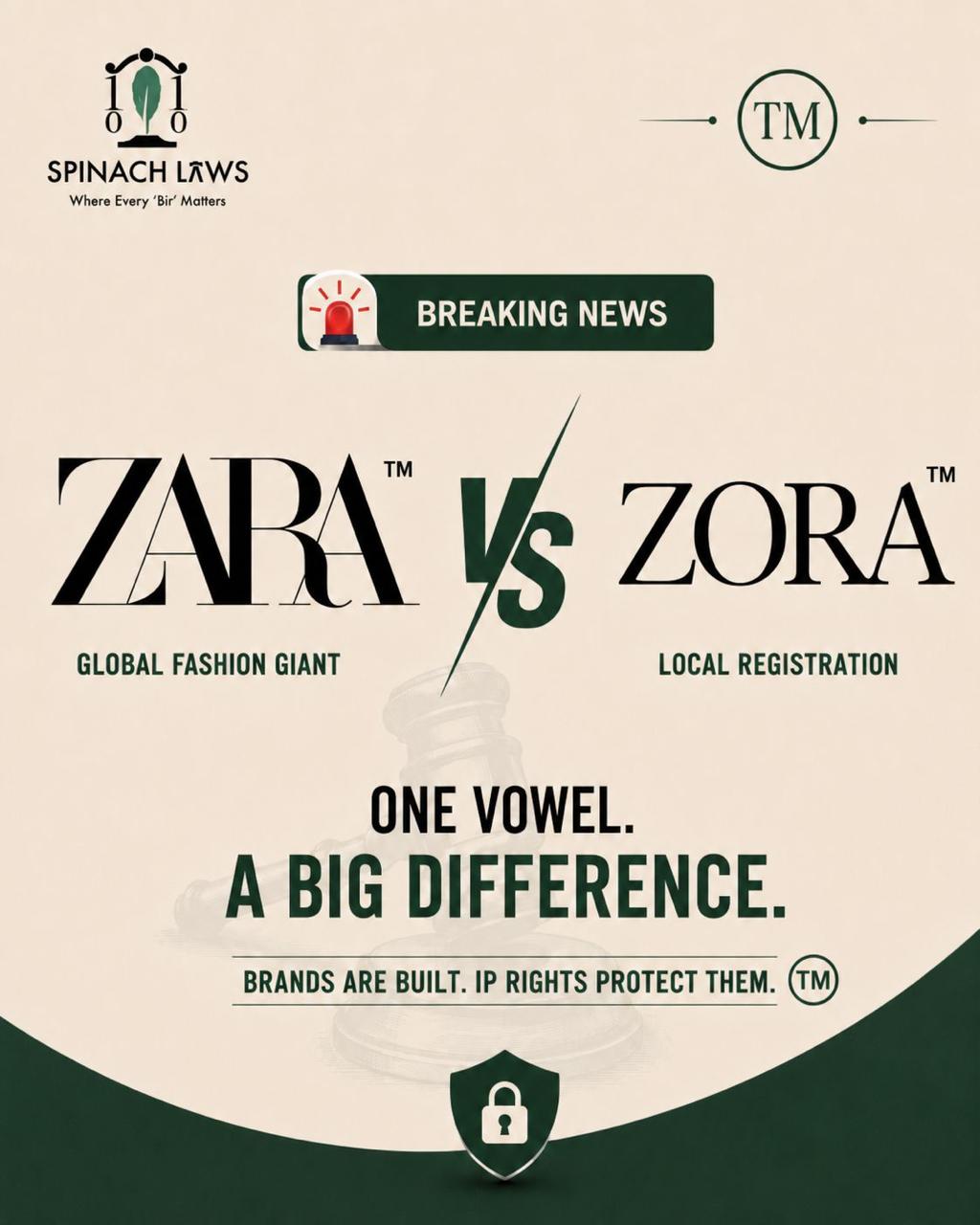
A Delhi High Court ruling has reinforced the importance of trademark protection after siding with global fashion brand ZARA in a legal dispute against a Delhi-based fabric trader using the name "ZORA." The court held that despite operating in different market segments, the two names were sufficiently similar to create confusion and potentially dilute the reputation of ZARA's globally recognized brand, leading to the cancellation of ZORA's trademark registration.
The dispute centered on a wholesale fabric business that adopted the ZORA trademark in 2016 for polyester lining fabrics used in bags and later secured registration in 2019. While the trader argued that the business catered exclusively to manufacturers and had no connection to fashion retail, ZARA maintained that the similarity between the two names threatened the distinctiveness of its internationally established trademark. The case highlighted how trademark law protects not only current business activities but also the long-term identity and value of well-known brands.
In its judgment, the Delhi High Court ruled that trademarks must be assessed as a whole rather than by separating individual syllables or letters. The court observed that both ZARA and ZORA consist of four letters, begin with the letter "Z," end with "RA," and share a similar overall pronunciation that could confuse an average consumer with imperfect recollection. It further clarified that a trademark does not need formal recognition as a "well-known mark" to receive broader legal protection if it has acquired substantial public reputation through extensive commercial use.
Legal experts say the decision sends an important message to startups and growing businesses about the value of conducting comprehensive trademark searches before adopting a brand name. Businesses are increasingly encouraged to evaluate not only identical trademarks but also phonetically similar names, existing registrations, domain names and common-law usage to avoid costly legal disputes as they expand into new markets.
The ruling also underscores that a trademark represents far more than a company logo or product label—it is a long-term business asset that defines a brand's identity and reputation. As companies continue to compete in an increasingly global marketplace, the judgment reinforces the importance of protecting intellectual property from potential dilution, regardless of the size or nature of competing businesses.
The dispute centered on a wholesale fabric business that adopted the ZORA trademark in 2016 for polyester lining fabrics used in bags and later secured registration in 2019. While the trader argued that the business catered exclusively to manufacturers and had no connection to fashion retail, ZARA maintained that the similarity between the two names threatened the distinctiveness of its internationally established trademark. The case highlighted how trademark law protects not only current business activities but also the long-term identity and value of well-known brands.
In its judgment, the Delhi High Court ruled that trademarks must be assessed as a whole rather than by separating individual syllables or letters. The court observed that both ZARA and ZORA consist of four letters, begin with the letter "Z," end with "RA," and share a similar overall pronunciation that could confuse an average consumer with imperfect recollection. It further clarified that a trademark does not need formal recognition as a "well-known mark" to receive broader legal protection if it has acquired substantial public reputation through extensive commercial use.
Legal experts say the decision sends an important message to startups and growing businesses about the value of conducting comprehensive trademark searches before adopting a brand name. Businesses are increasingly encouraged to evaluate not only identical trademarks but also phonetically similar names, existing registrations, domain names and common-law usage to avoid costly legal disputes as they expand into new markets.
The ruling also underscores that a trademark represents far more than a company logo or product label—it is a long-term business asset that defines a brand's identity and reputation. As companies continue to compete in an increasingly global marketplace, the judgment reinforces the importance of protecting intellectual property from potential dilution, regardless of the size or nature of competing businesses.
Tags
news
Comments (0)
Login to post comments
No comments yet
Be the first to share your thoughts about this post.