News
General
40 views
The hidden costs of AI: Pricier gadgets and power bills
Jul 14, 2026
📍 Philadelphia, PA, USA
**AI Investment Surge Drives Up Prices of Electronics and Electricity Across the U.S.**
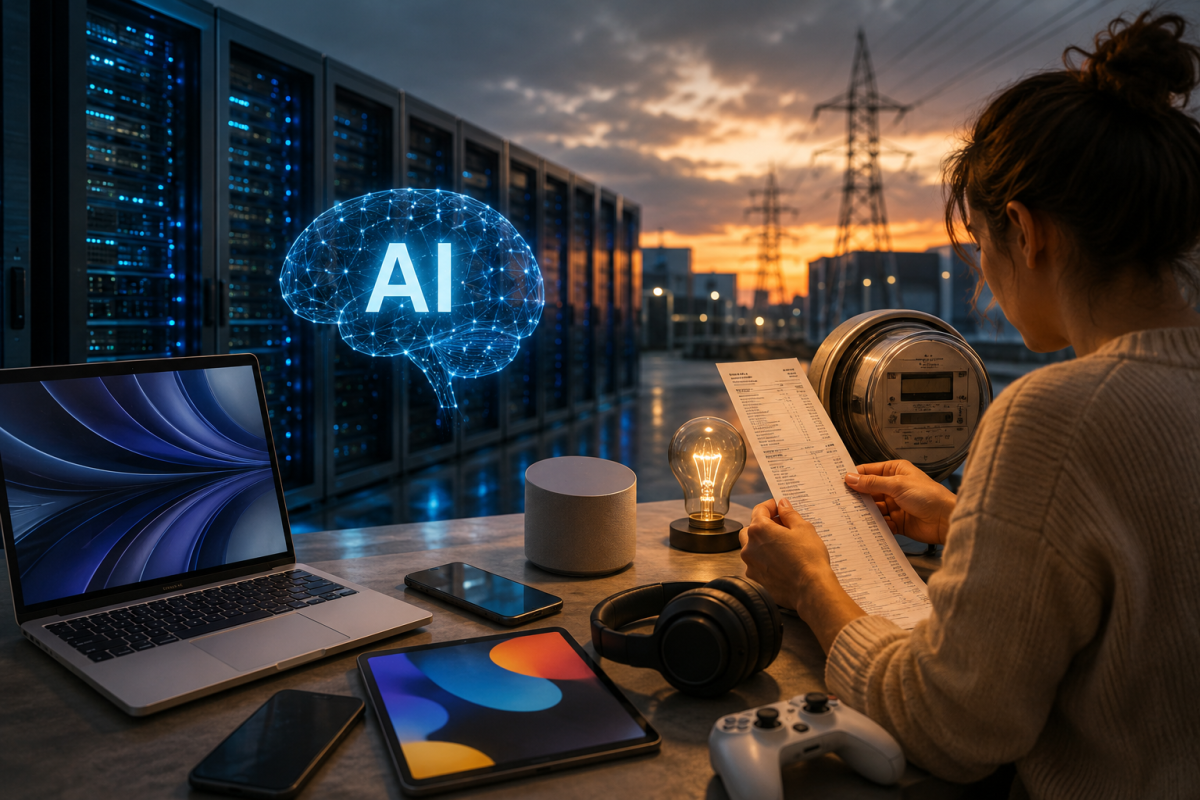
America's artificial intelligence boom is beginning to affect household budgets as the rapid expansion of AI infrastructure pushes up the cost of consumer electronics and electricity. With major technology companies investing heavily in AI-powered data centers, economists and the Federal Reserve are closely monitoring the growing impact on inflation.
Tech giants including **Alphabet, Amazon, Microsoft, and Meta** are expected to spend nearly **$720 billion** this year on AI infrastructure. The enormous demand for advanced computer chips, memory, and semiconductors has strained global supply chains, driving production costs higher and creating shortages across the technology sector.
Consumers are already feeling the effects. Several leading electronics manufacturers have raised prices on laptops, tablets, gaming consoles, and other devices as component costs continue to climb. Industry analysts also warn that memory chip prices could see dramatic increases, making future technology products even more expensive.
The impact extends beyond electronics. AI data centers consume massive amounts of electricity, increasing pressure on power grids and contributing to rising energy bills. Recent inflation data shows electricity prices have climbed faster than overall consumer prices, with economists expecting above-average increases to continue over the next few years.
While additional factors such as tariffs and higher energy costs have also fueled inflation, experts believe the AI investment boom is becoming an increasingly important driver of demand. Federal Reserve officials say artificial intelligence could improve productivity in the long run, but its rapid expansion is currently adding pressure to prices and supply chains.
As AI reshapes industries worldwide, its economic impact is becoming visible not only in boardrooms and data centers but also in the everyday expenses faced by American consumers.
America's artificial intelligence boom is beginning to affect household budgets as the rapid expansion of AI infrastructure pushes up the cost of consumer electronics and electricity. With major technology companies investing heavily in AI-powered data centers, economists and the Federal Reserve are closely monitoring the growing impact on inflation.
Tech giants including **Alphabet, Amazon, Microsoft, and Meta** are expected to spend nearly **$720 billion** this year on AI infrastructure. The enormous demand for advanced computer chips, memory, and semiconductors has strained global supply chains, driving production costs higher and creating shortages across the technology sector.
Consumers are already feeling the effects. Several leading electronics manufacturers have raised prices on laptops, tablets, gaming consoles, and other devices as component costs continue to climb. Industry analysts also warn that memory chip prices could see dramatic increases, making future technology products even more expensive.
The impact extends beyond electronics. AI data centers consume massive amounts of electricity, increasing pressure on power grids and contributing to rising energy bills. Recent inflation data shows electricity prices have climbed faster than overall consumer prices, with economists expecting above-average increases to continue over the next few years.
While additional factors such as tariffs and higher energy costs have also fueled inflation, experts believe the AI investment boom is becoming an increasingly important driver of demand. Federal Reserve officials say artificial intelligence could improve productivity in the long run, but its rapid expansion is currently adding pressure to prices and supply chains.
As AI reshapes industries worldwide, its economic impact is becoming visible not only in boardrooms and data centers but also in the everyday expenses faced by American consumers.
Tags
news
Comments (0)
Login to post comments
No comments yet
Be the first to share your thoughts about this post.