News
General
40 views
India’s greatest contribution to artificial intelligence may be Vedanta
Jul 14, 2026
📍 Philadelphia, PA, USA
**Can Ancient Indian Philosophy Shape the Future of Artificial Intelligence?**
As artificial intelligence evolves beyond data processing into human-like reasoning, a growing conversation is emerging around the role of philosophy in the future of AI. While leading technology companies continue hiring philosophers to help guide AI development, many experts believe the next breakthrough may not come solely from engineering, but from timeless ideas about human judgment and wisdom.
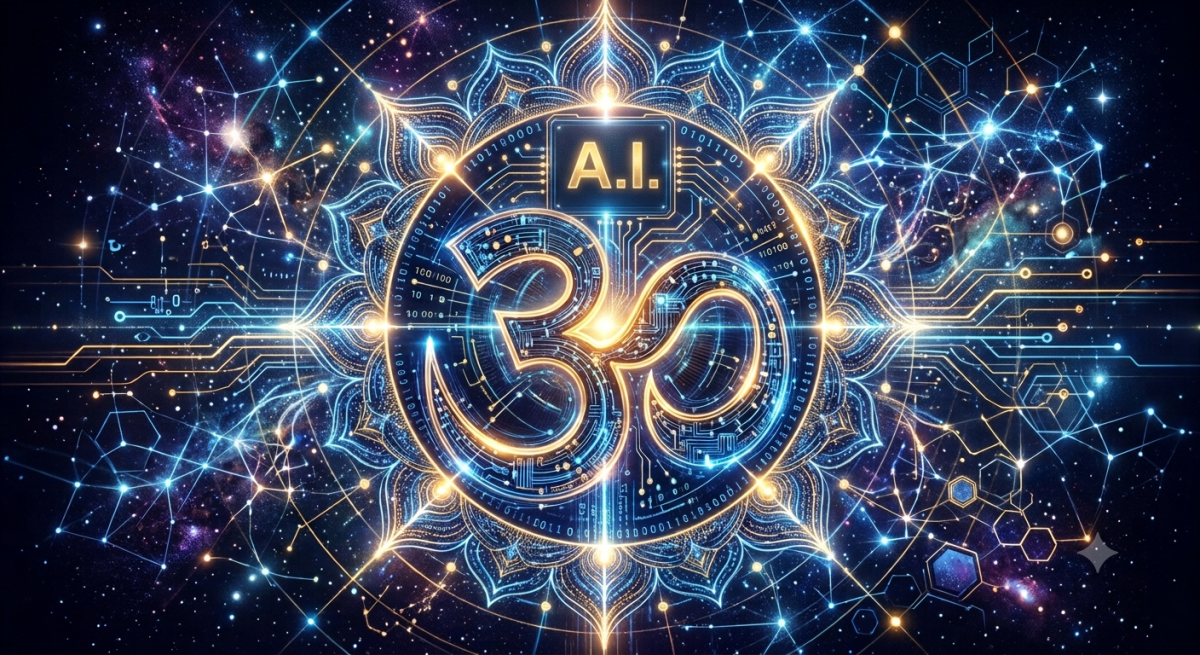
One perspective gaining attention argues that India's ancient philosophical tradition, **Vedanta**, offers valuable insights into the challenges facing modern AI. Rather than focusing only on faster algorithms and larger language models, Vedanta emphasizes discernment, critical thinking, and the ability to distinguish truth from appearance—qualities becoming increasingly important in the age of generative AI.
The discussion comes as concerns over AI hallucinations, misinformation, and overreliance on machine-generated content continue to grow. Supporters of this view suggest that AI's biggest challenge is no longer generating information but helping people evaluate whether that information is accurate, meaningful, and trustworthy.
Concepts such as **Viveka** (discernment), **Vairagya** (detachment), and **Maya** (illusion) are being revisited as possible frameworks for understanding how humans interact with intelligent systems. These principles encourage thoughtful decision-making, emotional balance, and awareness of cognitive bias—qualities that remain essential even as AI becomes more sophisticated.
The debate also raises broader questions about the future of artificial intelligence. Instead of asking whether machines can achieve consciousness, some researchers believe the more practical goal is developing systems capable of recognizing uncertainty, acknowledging limitations, and exercising reliable judgment.
As AI continues transforming industries around the world, India's centuries-old philosophical traditions may offer an unexpected roadmap for building more trustworthy, responsible, and human-centered intelligent systems.
As artificial intelligence evolves beyond data processing into human-like reasoning, a growing conversation is emerging around the role of philosophy in the future of AI. While leading technology companies continue hiring philosophers to help guide AI development, many experts believe the next breakthrough may not come solely from engineering, but from timeless ideas about human judgment and wisdom.
One perspective gaining attention argues that India's ancient philosophical tradition, **Vedanta**, offers valuable insights into the challenges facing modern AI. Rather than focusing only on faster algorithms and larger language models, Vedanta emphasizes discernment, critical thinking, and the ability to distinguish truth from appearance—qualities becoming increasingly important in the age of generative AI.
The discussion comes as concerns over AI hallucinations, misinformation, and overreliance on machine-generated content continue to grow. Supporters of this view suggest that AI's biggest challenge is no longer generating information but helping people evaluate whether that information is accurate, meaningful, and trustworthy.
Concepts such as **Viveka** (discernment), **Vairagya** (detachment), and **Maya** (illusion) are being revisited as possible frameworks for understanding how humans interact with intelligent systems. These principles encourage thoughtful decision-making, emotional balance, and awareness of cognitive bias—qualities that remain essential even as AI becomes more sophisticated.
The debate also raises broader questions about the future of artificial intelligence. Instead of asking whether machines can achieve consciousness, some researchers believe the more practical goal is developing systems capable of recognizing uncertainty, acknowledging limitations, and exercising reliable judgment.
As AI continues transforming industries around the world, India's centuries-old philosophical traditions may offer an unexpected roadmap for building more trustworthy, responsible, and human-centered intelligent systems.
Tags
news
Comments (0)
Login to post comments
No comments yet
Be the first to share your thoughts about this post.