News
General
19 views
Nearly 1 million Trump memecoin buyers lost $3.8 billion, analysis finds
Jul 07, 2026
📍 Philadelphia, PA, USA
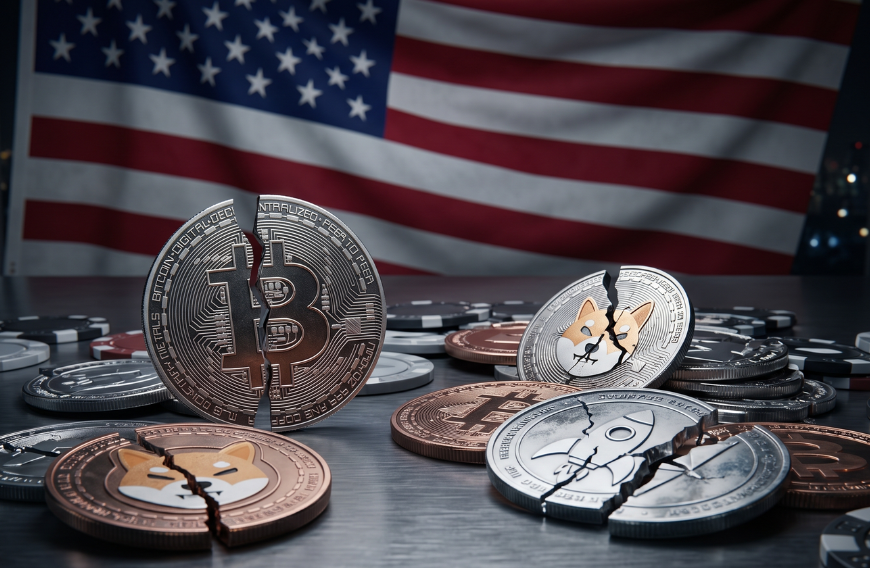
Former President Donald Trump’s $TRUMP memecoin is once again drawing intense scrutiny after new blockchain analysis suggested that nearly one million investors collectively lost an estimated $3.8 billion, highlighting the extreme volatility and risks associated with politically branded cryptocurrencies.
According to research conducted by blockchain analytics firm Nansen, approximately 988,905 cryptocurrency wallets that purchased the $TRUMP token were holding losses by the end of June. The findings suggest that nearly two-thirds of all buyers ended up losing money as the token's value collapsed from its record highs.
In contrast, only a small fraction of investors reportedly profited from the memecoin. Roughly 5,000 wallets generated nearly $4 billion in combined gains, fueling renewed concerns that early participants and large holders benefited disproportionately while later retail investors absorbed most of the financial losses.
Launched just days before Trump's 2025 presidential inauguration, the $TRUMP token quickly became one of the most talked-about political cryptocurrencies. Riding a wave of speculation and media attention, the token briefly surged above $75 before experiencing a dramatic decline of nearly 98%, reflecting the highly speculative nature of memecoins.
Unlike traditional cryptocurrencies designed for payments or decentralized applications, memecoins generally derive their value from online popularity, community enthusiasm, and investor sentiment rather than underlying economic utility. Financial experts have repeatedly warned that such assets are vulnerable to sharp price swings, speculative trading, and market manipulation.
The latest figures have reignited debate over investor protection in the rapidly expanding digital asset market. Consumer advocates argue that inexperienced retail investors are often attracted by celebrity-backed tokens without fully understanding the risks associated with highly volatile digital assets.
The controversy also comes as President Trump continues to position himself as a strong supporter of cryptocurrency innovation. In recent years, he has embraced digital assets after previously criticizing Bitcoin, while launching several blockchain-related ventures and publicly promoting policies aimed at expanding the U.S. crypto industry.
Meanwhile, regulators continue to face growing pressure over how to oversee politically affiliated digital tokens. The U.S. Securities and Exchange Commission (SEC) has maintained that many memecoins fall outside traditional securities regulations, leaving much of the market subject to limited federal oversight.
Market analysts say the sharp divergence between a handful of large winners and hundreds of thousands of losing investors underscores the speculative dynamics that often define memecoin markets. As cryptocurrency adoption continues to grow worldwide, experts believe the $TRUMP token may become another high-profile example in ongoing discussions about digital asset regulation, investor education, market transparency, and the future of political cryptocurrencies.
According to research conducted by blockchain analytics firm Nansen, approximately 988,905 cryptocurrency wallets that purchased the $TRUMP token were holding losses by the end of June. The findings suggest that nearly two-thirds of all buyers ended up losing money as the token's value collapsed from its record highs.
In contrast, only a small fraction of investors reportedly profited from the memecoin. Roughly 5,000 wallets generated nearly $4 billion in combined gains, fueling renewed concerns that early participants and large holders benefited disproportionately while later retail investors absorbed most of the financial losses.
Launched just days before Trump's 2025 presidential inauguration, the $TRUMP token quickly became one of the most talked-about political cryptocurrencies. Riding a wave of speculation and media attention, the token briefly surged above $75 before experiencing a dramatic decline of nearly 98%, reflecting the highly speculative nature of memecoins.
Unlike traditional cryptocurrencies designed for payments or decentralized applications, memecoins generally derive their value from online popularity, community enthusiasm, and investor sentiment rather than underlying economic utility. Financial experts have repeatedly warned that such assets are vulnerable to sharp price swings, speculative trading, and market manipulation.
The latest figures have reignited debate over investor protection in the rapidly expanding digital asset market. Consumer advocates argue that inexperienced retail investors are often attracted by celebrity-backed tokens without fully understanding the risks associated with highly volatile digital assets.
The controversy also comes as President Trump continues to position himself as a strong supporter of cryptocurrency innovation. In recent years, he has embraced digital assets after previously criticizing Bitcoin, while launching several blockchain-related ventures and publicly promoting policies aimed at expanding the U.S. crypto industry.
Meanwhile, regulators continue to face growing pressure over how to oversee politically affiliated digital tokens. The U.S. Securities and Exchange Commission (SEC) has maintained that many memecoins fall outside traditional securities regulations, leaving much of the market subject to limited federal oversight.
Market analysts say the sharp divergence between a handful of large winners and hundreds of thousands of losing investors underscores the speculative dynamics that often define memecoin markets. As cryptocurrency adoption continues to grow worldwide, experts believe the $TRUMP token may become another high-profile example in ongoing discussions about digital asset regulation, investor education, market transparency, and the future of political cryptocurrencies.
Tags
news
Comments (0)
Login to post comments
No comments yet
Be the first to share your thoughts about this post.