News
General
18 views
The cake-cutting cult: Flattery, kiss-ups, and the rot of sycophancy in Indian politics
Jul 07, 2026
📍 Philadelphia, PA, USA
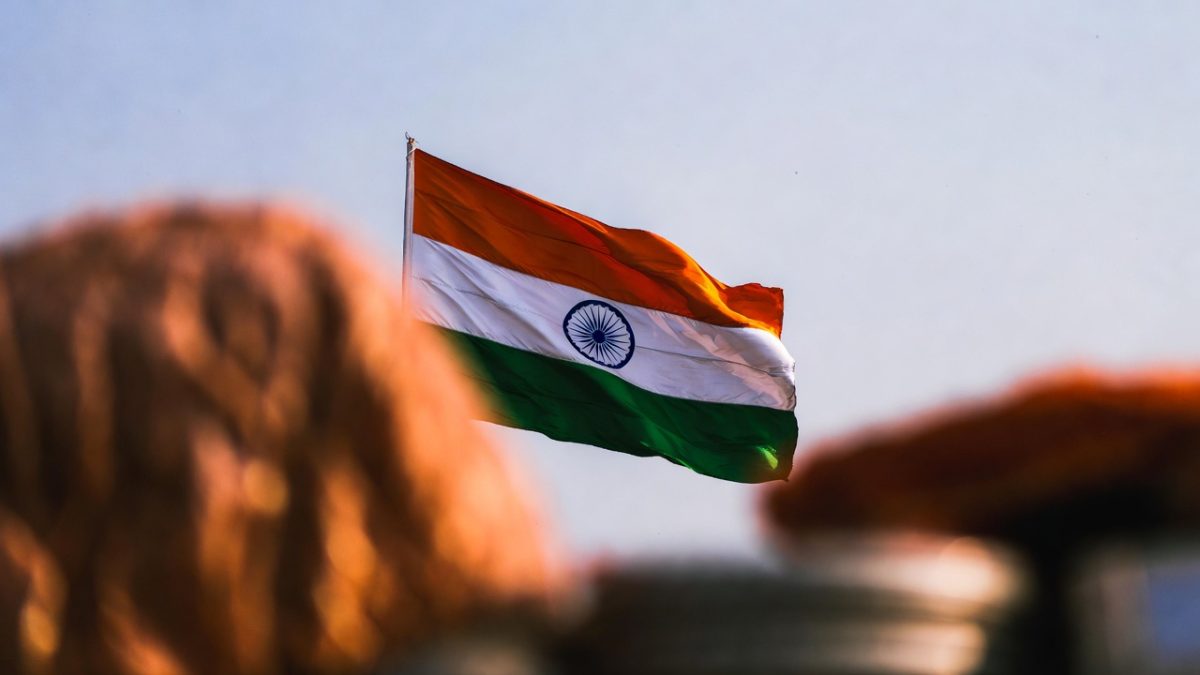
Indian politics has long celebrated personality-driven leadership, but the increasingly elaborate birthday spectacles organized for political leaders are reigniting debates over whether loyalty has begun to overshadow governance. From towering cakes and massive cut-outs to religious imagery and public processions, these celebrations have evolved into highly visible demonstrations of political allegiance rather than private occasions.
Across party lines, workers frequently organize grand birthday events for leaders who are often not even present. Political observers argue that these displays serve a strategic purpose within India's hierarchical party structures, where public demonstrations of loyalty can influence future political opportunities, appointments, and electoral nominations.
Recent celebrations for prominent leaders once again highlighted this trend, with oversized cakes, elaborate posters, and symbolic imagery dominating headlines. While supporters describe such events as expressions of admiration and grassroots enthusiasm, critics view them as examples of excessive political sycophancy that distract attention from governance and policy issues.
Analysts note that these public celebrations often place additional pressure on local administrations. Traffic management, security arrangements, and civic resources are frequently redirected toward political events, creating inconvenience for residents while raising concerns about the appropriate use of public infrastructure.
Beyond the logistical challenges, experts argue that personality-centered politics may weaken internal party democracy by rewarding unquestioning loyalty over constructive debate. When political success depends more on public displays of devotion than policy contributions, organizations risk limiting internal criticism and reducing accountability.
Comparisons with other democracies reveal notable differences. In many Western countries, political leaders' birthdays are generally marked through private gatherings or fundraising events rather than large-scale public mobilizations. In contrast, countries with stronger personality cults often use such occasions to reinforce centralized authority and political loyalty.
Political scientists suggest India occupies a unique position between these models, combining vibrant electoral competition with deep-rooted traditions of charismatic leadership and mass political mobilization.
As India continues to navigate complex economic, social, and governance challenges, many observers believe political parties would benefit from shifting greater attention toward policy discussions, organizational reforms, and public service rather than symbolic displays centered on individual leaders.
The continuing debate highlights a broader question facing Indian democracy: whether political culture can gradually move from personality-driven symbolism toward stronger institutions, greater internal accountability, and issue-based public engagement.
Across party lines, workers frequently organize grand birthday events for leaders who are often not even present. Political observers argue that these displays serve a strategic purpose within India's hierarchical party structures, where public demonstrations of loyalty can influence future political opportunities, appointments, and electoral nominations.
Recent celebrations for prominent leaders once again highlighted this trend, with oversized cakes, elaborate posters, and symbolic imagery dominating headlines. While supporters describe such events as expressions of admiration and grassroots enthusiasm, critics view them as examples of excessive political sycophancy that distract attention from governance and policy issues.
Analysts note that these public celebrations often place additional pressure on local administrations. Traffic management, security arrangements, and civic resources are frequently redirected toward political events, creating inconvenience for residents while raising concerns about the appropriate use of public infrastructure.
Beyond the logistical challenges, experts argue that personality-centered politics may weaken internal party democracy by rewarding unquestioning loyalty over constructive debate. When political success depends more on public displays of devotion than policy contributions, organizations risk limiting internal criticism and reducing accountability.
Comparisons with other democracies reveal notable differences. In many Western countries, political leaders' birthdays are generally marked through private gatherings or fundraising events rather than large-scale public mobilizations. In contrast, countries with stronger personality cults often use such occasions to reinforce centralized authority and political loyalty.
Political scientists suggest India occupies a unique position between these models, combining vibrant electoral competition with deep-rooted traditions of charismatic leadership and mass political mobilization.
As India continues to navigate complex economic, social, and governance challenges, many observers believe political parties would benefit from shifting greater attention toward policy discussions, organizational reforms, and public service rather than symbolic displays centered on individual leaders.
The continuing debate highlights a broader question facing Indian democracy: whether political culture can gradually move from personality-driven symbolism toward stronger institutions, greater internal accountability, and issue-based public engagement.
Tags
news
Comments (0)
Login to post comments
No comments yet
Be the first to share your thoughts about this post.